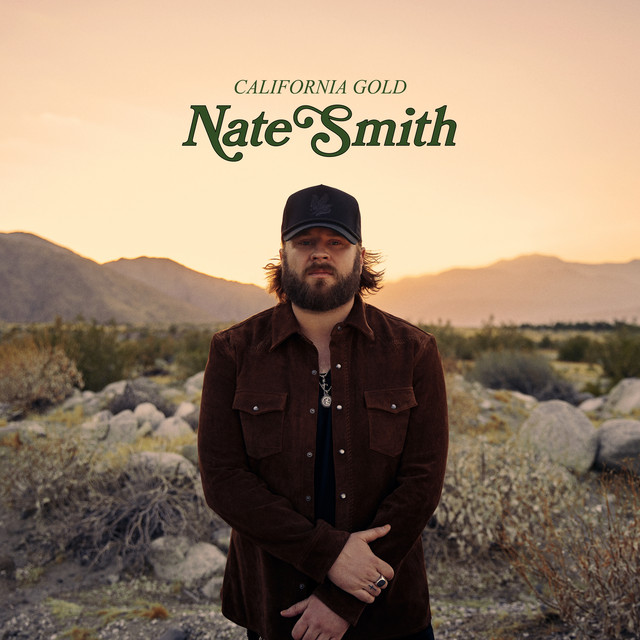
A Raw Reflection of Personal Struggles
Nate Smith’s latest single, "Fix What You Didn't Break," is more than just a catchy country tune; it’s a window into the artist's soul. Released on October 28, 2024, from his second studio album, also titled "Fix What You Didn't Break," the song is a testament to the challenges he faced and the resilience he discovered along the way.
Smith's journey has been marked by a series of personal trials that inform his songwriting. The lyrics reflect a desire to mend the emotional fallout from his past relationships, something anyone who has grappled with love and loss can relate to. This is particularly evident in lines that speak directly to the regret of unfulfilled promises and the yearning for reconciliation.
Confronting the Past
The song’s central theme revolves around taking responsibility for one’s actions while also recognizing the limitations of personal agency. In a poignant moment, Smith sings about the inability to fix what was broken by others. This duality captures a universal struggle: the desire to heal while acknowledging that some scars are beyond repair.
"I can’t fix what you didn’t break, but I’ll try to make it right..."
These lines highlight the complexity of relationships, where the burden of emotional labor often falls unevenly. Smith’s willingness to confront this pain head-on is what sets him apart in a genre that frequently shies away from vulnerability.
The Influence of His Life Experiences
Growing up in a small town in California, Smith faced numerous obstacles, including bouts of anxiety and self-doubt. His music often reflects these experiences, transforming personal turmoil into relatable narratives. In "Fix What You Didn't Break," the listener can sense the weight of his reflections. Smith's voice carries a sincerity that feels earned through lived experience.
Smith's journey includes a remarkable rise from a troubled past to signing with Sony Music Nashville, showcasing his determination and talent.
For Smith, songwriting is not just a craft; it’s a form of therapy. In interviews, he has often discussed how pouring his heart into music has allowed him to process grief and loss. This catharsis is palpable in "Fix What You Didn't Break," where the narrative feels both personal and universally applicable.
The Sound of Healing
Musically, the track balances traditional country elements with a contemporary edge, driven by a haunting melody that complements the lyrical depth. The production, while polished, maintains an organic feel that allows Smith's vocals to shine. This is crucial, as the emotional weight of the lyrics demands an equally compelling soundscape.
As the song progresses, the instrumentation builds, mirroring the journey from despair to hope. Smith's ability to convey this transformation is a testament to his growth as an artist. He’s not just recounting a story; he’s inviting listeners to share in the healing process.
A Broader Message
“Fix What You Didn't Break” serves as a reminder that healing is complex and often nonlinear. Smith’s openness about his struggles invites listeners to reflect on their own lives, encouraging them to confront their pasts rather than shy away from them. In a world that often promotes perfection, his authenticity is refreshing.
"Let’s pick up the pieces, and start over again..."
This line encapsulates the essence of the song: a call to action, a plea for reconciliation, and a promise of new beginnings. It’s a powerful message that resonates with anyone who has ever sought to repair the damage in their relationships.
Conclusion: More Than a Song
Nate Smith’s "Fix What You Didn't Break" is a profound exploration of personal growth and emotional resilience. Rather than just a catchy chorus or a polished production, the song stands as a testament to the artist’s journey. It’s a narrative of hope, urging listeners to embrace their struggles and seek healing.
In an era where authenticity in music is paramount, Smith’s latest release cements his place as a voice of a generation grappling with the complexities of love and loss.