The Roots of 'Hasta la Raíz'
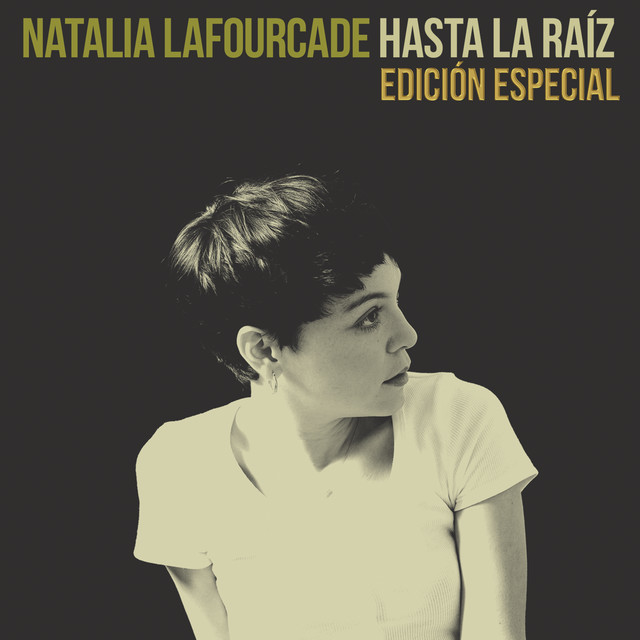
Released in 2015, Natalia Lafourcade's "Hasta la Raíz" serves as a beacon of authenticity in contemporary Latin music. As the opening track on her fifth studio album, also titled Hasta la Raíz, the song is a heartfelt blend of pop and traditional Mexican folk elements, showcasing Lafourcade's ability to honor her cultural heritage while reaching a global audience.
Folk Melodies and Modern Sentiments
The song’s acoustic arrangement features guitar strumming that is reminiscent of traditional Mexican folk styles, providing a warm and inviting backdrop. Lafourcade’s voice dances effortlessly over this foundation, drawing listeners into a narrative that intertwines personal reflection with broader cultural themes.
"Vas a encontrar mi corazón / En cada rincón de mi voz"
These lyrics highlight Lafourcade's commitment to expressing her roots. The imagery of finding her heart in every corner of her voice suggests a deep connection to her heritage, making the song not just a love letter to a person but to the very culture that shaped her.
Intergenerational Dialogue
One of the most striking aspects of "Hasta la Raíz" is its ability to bridge generations. The song echoes the sounds of traditional Mexican ballads while incorporating contemporary pop sensibilities. This blend creates a space where older folk traditions coexist with modern musical expressions, making the song relatable to a diverse audience.
Did you know? "Hasta la Raíz" was produced by the renowned musician and composer Cachorro López, who has worked with various Latin music icons.
Lyricism Rooted in Emotion
Lafourcade’s lyrics are steeped in emotional depth, reflecting the struggles and joys of love and heritage. The song captures a sense of longing that resonates with many who have experienced the bittersweet pull of nostalgia. Her ability to convey such feelings through the lens of Mexican folk traditions enriches the listening experience.
The Influence of Mariachi and Son Jarocho
The influence of mariachi and son jarocho is palpable in the instrumentation of "Hasta la Raíz." The use of guitar, along with subtle percussive elements, pays homage to these traditional styles. Lafourcade’s incorporation of these sounds not only celebrates her roots but also revitalizes them for a new generation.
"Por ti, mi amor, yo te llevo en mi voz"
This line serves as a poignant reminder of how Lafourcade channels her love for her culture and her loved ones through her music. It’s a powerful statement about the transference of emotion across generations, reinforcing the idea that music is a living tradition.
A Cultural Renaissance
With "Hasta la Raíz," Lafourcade is part of a larger movement among contemporary Latin artists who are looking back to their roots. This cultural renaissance is characterized by a rediscovery of traditional sounds and themes, blending them with modern influences to create something that feels both nostalgic and fresh.
Conclusion: A Song for the Ages
Ultimately, "Hasta la Raíz" is more than just a song; it’s a celebration of Mexican culture, a testament to the power of folk traditions, and a personal journey of love and identity. Through her music, Lafourcade invites listeners to explore the depths of their own roots, making her work relevant across cultural boundaries.