Dark Humor Meets LGBTQ+ Struggles
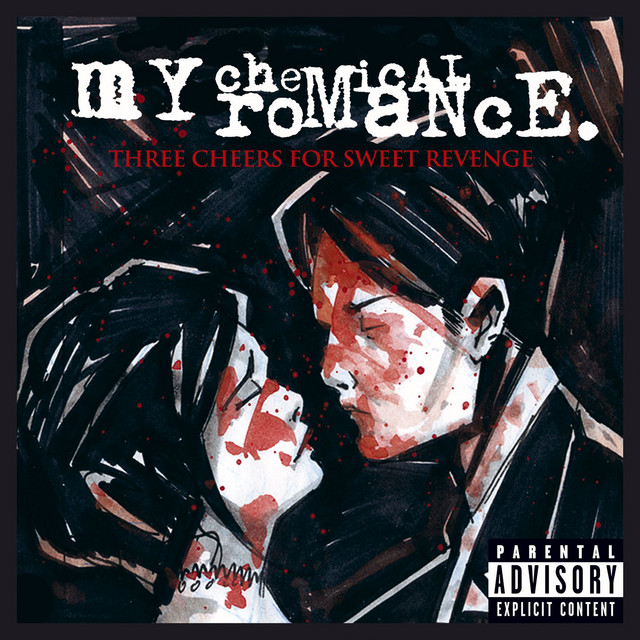
When My Chemical Romance dropped "You Know What They Do to Guys Like Us in Prison" on their 2004 album Three Cheers for Sweet Revenge, they didn't just deliver a high-energy punk anthem. They also opened a door to discussions about sexuality, identity, and the often brutal realities faced by the LGBTQ+ community. The song’s title alone is provocative, hinting at violence and repression, themes that resonate within queer narratives.
Rebellion and Identity
The opening lines set a tone of defiance, a hallmark of the band’s ethos. The lyrics reflect not just a personal struggle but a broader commentary on societal attitudes towards those who exist outside the traditional norms. The dark humor embedded in the song acts as both shield and sword, allowing listeners to confront uncomfortable truths while simultaneously embracing their identities.
"You know what they do to guys like us in prison"
This line speaks volumes. It reflects the grim realities that many in the LGBTQ+ community face, particularly concerning violence and discrimination. The prison metaphor serves as a stark reminder of societal constraints that can feel inescapable, especially for young queer individuals.
Violence and Vulnerability
Throughout the song, there’s an overt acknowledgment of vulnerability—a sentiment familiar to many in the LGBTQ+ community. The way the band weaves humor with horror mirrors the coping mechanisms often employed by those who have faced oppression. It’s a survival tactic; laugh to keep from crying. This is particularly relevant in discussions about how queer identities are often policed, not just by society but by internalized homophobia.
The song was produced by Howard Benson, known for capturing the raw energy of bands like MCR, allowing their message to hit hard.
Breaking Down Stereotypes
The candidness of the lyrics challenges stereotypes surrounding masculinity and sexuality. It flips the script on the typical narratives of violence often associated with queer identities, suggesting that the real danger comes not from being queer, but from societal rejection and violence. This is an essential distinction that MCR captures through their chaotic sound and lyrical bravado.
A Safe Space Through Music
What My Chemical Romance offers is a sense of safety within the chaos. For many listeners, the song serves as an anthem of acceptance in a world that can be dangerously hostile. The brutal honesty and raw emotion create a space where those who relate can feel understood, even if just for a moment.
"I’m in the prison of my own design"
This line encapsulates the internal struggles many face. It’s a reflection of the self-imposed barriers that come from societal expectations and the fear of rejection. By addressing these themes, MCR empowers listeners to confront their identities rather than hide from them.
The Legacy of the Song
Years later, "You Know What They Do to Guys Like Us in Prison" remains a touchstone for discussions surrounding LGBTQ+ representation in music. It’s more than just a catchy chorus; it’s a rallying cry for acceptance and understanding. As the band continues to influence new generations, their message remains relevant, emphasizing the importance of solidarity in the face of adversity.
A Call to Action
The song’s impact extends beyond just the music scene. It challenges listeners to reflect on their own biases and the treatment of marginalized communities. My Chemical Romance uses their platform not only to entertain but to provoke thought and inspire change, reminding us that music can be a powerful tool for activism.
My Chemical Romance's blend of punk and theatricality has influenced countless artists within the LGBTQ+ community, paving the way for more open discussions about identity in music.