Setting the Stage
When My Chemical Romance released "Welcome to the Black Parade" in 2006, they didn’t just drop a single; they unleashed a seismic shift in the emo landscape that echoed the flamboyant theatrics of the punk cabaret scene. The song, from their third studio album, The Black Parade, is a masterclass in storytelling, blending rock with a theatrical flair that pulls from a rich history of performance art.
A Concept Album with a Mission
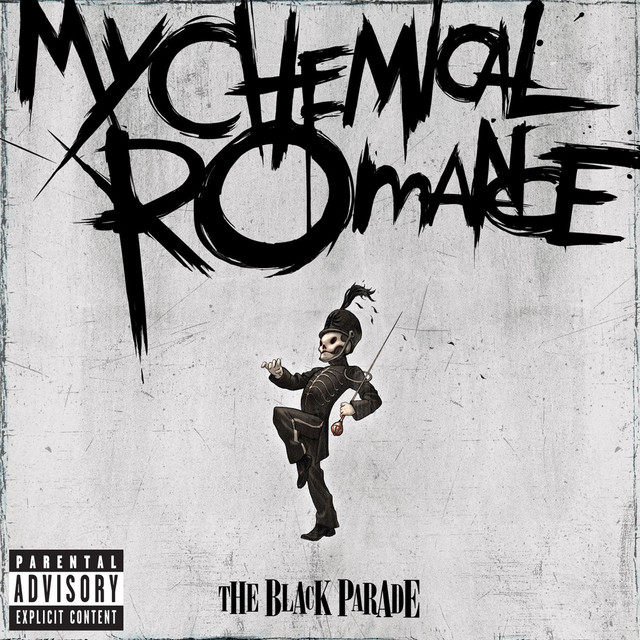
The Black Parade is not just an album; it’s a narrative journey through life, death, and everything in between. Produced by Rob Cavallo, the record takes listeners on a ride with the “Patient,” a character that personifies the struggle against mortality. This concept allows MCR to experiment with elaborate staging and visual elements, reminiscent of cabaret shows where the performance itself becomes as crucial as the music.
The Influences of Punk Cabaret
The punk cabaret scene, characterized by its blend of punk rock’s rebellious spirit and the theatricality of cabaret, is a clear influence on MCR’s approach. Bands like The Dresden Dolls and the broader cabaret punk movement paved the way for this fusion. My Chemical Romance took this influence and amplified it, crafting a sound and aesthetic that feels both grand and intimate.
Emotional Resonance and Theatricality
In "Welcome to the Black Parade," the orchestral arrangements and operatic undertones elevate the song beyond mere rock anthem status. The iconic intro, with its somber piano and sweeping strings, sets a tone that’s almost cinematic. As the song progresses, the urgency builds, leading to the empowering chorus that declares,
This refrain isn’t just a call to arms; it’s a theatrical proclamation, inviting listeners to join in the fight against despair."We'll carry on, we'll carry on."
Creating a Visual Spectacle
The music video for the track further emphasizes this connection to theatricality. The imagery of a marching band, complete with a skeleton figure representing death, merges the macabre with the vibrant, showcasing a performance that’s both visually captivating and deeply symbolic. This approach echoes the roots of cabaret, where visual storytelling is paramount.
Challenging Norms
My Chemical Romance’s embrace of theatricality challenges the norms of rock music, pushing boundaries in ways that were often overlooked by their contemporaries. Their willingness to embrace dark themes and elaborate presentations set them apart in a scene that often prioritized rawness over refinement. In a genre that sometimes shies away from the dramatics, MCR’s bold choices made them pioneers.
The Legacy of Theatrical Punk
As a result, "Welcome to the Black Parade" stands as a landmark in both punk and emo history. It embodies the duality of punk as both a rebellion and a performance art, proving that music can be a vessel for profound emotional expression while simultaneously being a spectacle to behold. This song, and the album as a whole, cemented My Chemical Romance’s place in the annals of rock history, not just as musicians but as artists who understood the power of presentation.
Fun fact: "Welcome to the Black Parade" topped the UK Singles Chart, marking a significant achievement for the band and the emo genre as a whole.
Conclusion: A Lasting Impact
By intertwining the theatricality of punk cabaret with their own unique narrative style, My Chemical Romance created a song that will continue to inspire artists across genres. "Welcome to the Black Parade" is a vivid reminder that music can be more than sound; it can be a performance, an art form, and an emotional journey.