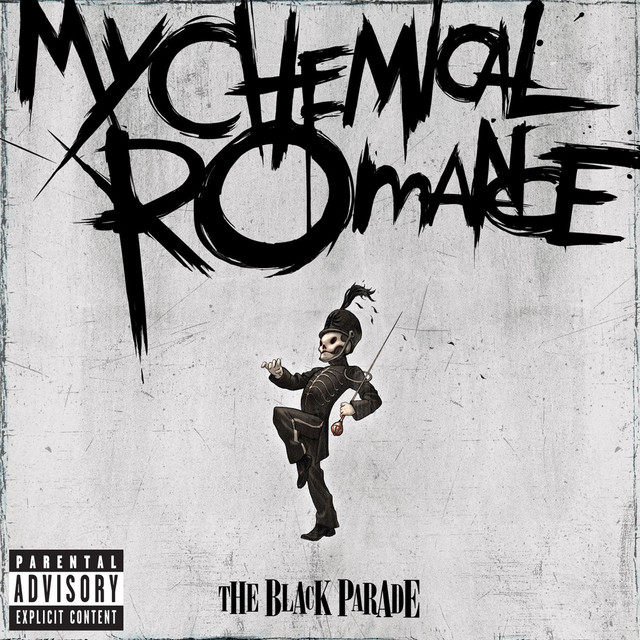
The Struggle Within
My Chemical Romance’s "Mama" is a visceral exploration of fear and the complexities of maternal relationships, nestled within the grand narrative of their 2006 album, The Black Parade. Written during a period of intense personal strife for frontman Gerard Way, the song transcends mere storytelling; it becomes a cathartic release of emotions that many listeners can relate to.
Way’s own experiences with mental health and familial connections find a voice in the haunting instrumentation and poignant lyrics of "Mama." The track, produced by Rob Cavallo, showcases the band’s ability to blend theatricality with raw emotion, a hallmark of their work. The song's structure mimics the chaotic swirl of feelings one might associate with confronting one’s fears.
The Maternal Archetype
At the core of "Mama" lies a deep-seated fear of abandonment and loss, feelings that are often tied to the relationship with one’s mother. Way’s lyrics convey a sense of urgency, as he channels the anxiety of growing up and the looming specter of death. The line,
, encapsulates this fear, suggesting not just a personal reckoning but also a broader commentary on the inevitability of death and the sometimes fraught relationship between mother and child."Mama, we all go to hell"
Way’s own upbringing in a suburban environment, marked by his parents' struggles and his own battles with depression, adds layers to this narrative. His mother’s influence is palpable in his music, and "Mama" serves as both an homage and an exploration of that complex bond.
Fear as a Catalyst
Fear is a central theme throughout The Black Parade, and "Mama" exemplifies how that fear can shape identity. The song illustrates how the dread of losing one's mother—or the fear of not living up to her expectations—can manifest into a broader existential crisis. Way’s raw delivery in this track punctuates the emotional weight behind the lyrics.
When he sings,
, it feels like a defiant stand against the inevitable return to a place of pain, perhaps indicative of his own journey grappling with mental health. This struggle is not just about the relationship with his mother, but with himself and the demons he faces."You’ll never make me go home"
A Personal Narrative
Way's personal narrative intertwines with the song's themes, making it relatable to anyone who has faced the specter of loss. The emotional gravity of "Mama" is palpable, not only as a reflection of his own life but as a universal experience that many can connect with. The song captures a moment of vulnerability, a testament to the power of familial ties and the fear of their dissolution.
Legacy of 'Mama'
"Mama" stands out as one of the most theatrical tracks in the My Chemical Romance discography, showcasing the band's ability to blend rock with operatic flair. Its legacy is a testament to the catharsis that comes from confronting one’s fears. In the grand narrative of The Black Parade, it serves as a critical juncture, where personal trauma meets artistic expression, underscoring the significance of embracing one’s past.
Interesting fact: "Mama" was part of a trilogy of songs that included "The End." and "Teenagers," showcasing the narrative depth of The Black Parade.
Ultimately, "Mama" is more than just a song; it’s a reflection of Gerard Way’s struggles and triumphs, a raw exploration of fear that resonates with anyone who has grappled with the specters of their own past. It remains a vital piece of the My Chemical Romance legacy, one that invites listeners to confront their own fears and find solace in shared experiences.