The Anthem of a Generation
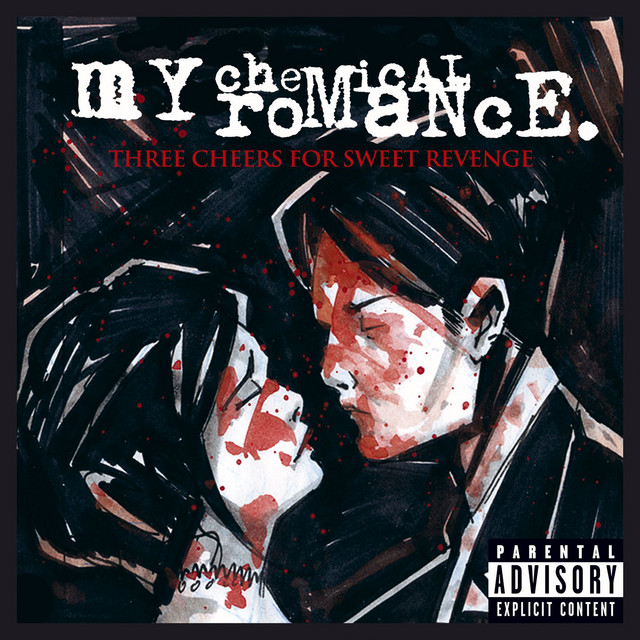
When My Chemical Romance released "I'm Not Okay (I Promise)" in 2004, they unknowingly crafted an anthem that would define a generation. The song, featured on their second studio album, Three Cheers for Sweet Revenge, emerged as a rallying cry for disaffected youth navigating the tumultuous waters of adolescence. With its catchy hooks and raw lyrics, it became a staple in the emo music scene, capturing the angst and confusion of young people everywhere.
Raw Emotion Meets Catchy Melodies
The production of the track, helmed by the talented Howard Benson, combines punk rock energy with pop sensibilities. This juxtaposition allowed the song to break through to mainstream audiences while still retaining its underground roots. Lines like
exemplify the desperate yearning for connection and genuine expression that resonated with listeners. The song’s infectious chorus further entices fans to sing along, turning vulnerability into an empowering experience."Well, if you wanted honesty, / I just wanted you to know"
The Emo Revival and Its Cultural Footprint
As emo as a genre was experiencing a resurgence in the early 2000s, My Chemical Romance positioned themselves at the forefront of this movement. Their unique blend of theatricality and sincerity in tracks like "I'm Not Okay (I Promise)" propelled them into the spotlight. The song's themes of heartbreak, isolation, and rejection spoke to a generation grappling with identity and societal pressures.
Interestingly, the song peaked at number 29 on the Billboard Hot 100, marking a significant moment for emo music in mainstream charts.
A Lasting Legacy
The impact of "I'm Not Okay (I Promise)" extends far beyond its initial release. It opened doors for countless bands in the emo and pop-punk genres, allowing artists to explore themes of mental health and emotional struggle without fear of judgment. Its legacy is evident in the music of newer artists who cite My Chemical Romance as a major influence, further perpetuating the cycle of vulnerability in rock music.
Cultural Relevance Today
Fast forward to today, and the song continues to hold relevance. Mental health discussions have become more mainstream, and the raw honesty found in "I'm Not Okay (I Promise)" is echoed in the lyrics of contemporary artists. The track is often revisited during moments of self-reflection, serving as a reminder that feeling lost is a universal experience.
The Emo Aesthetic
The visual aesthetic associated with My Chemical Romance in the music video for the song—complete with black hair, eyeliner, and dramatic performances—has become emblematic of the emo culture. This aesthetic influenced fashion, art, and even social media trends, making it a significant part of youth identity in the 2000s. It paved the way for future generations to embrace their individuality and express themselves through style.
A Call to Remember
As we reflect on the emotional landscape shaped by "I'm Not Okay (I Promise)", it’s clear that My Chemical Romance did more than just create a hit song; they forged a connection with countless fans who felt misunderstood. The track remains a powerful reminder that it’s okay to not be okay, and its legacy will undoubtedly continue to inspire and empower those navigating the complexities of youth.