The Echoes of New Wave
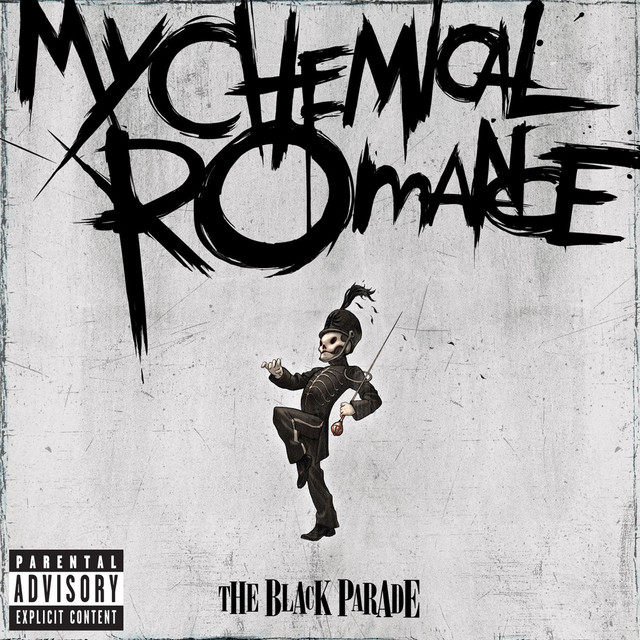
My Chemical Romance's "I Don't Love You," an emotive power ballad from their 2006 album, The Black Parade, stands as a poignant testament to the intersections of emo and new wave. The track's lush instrumentation and dramatic flair are not only hallmarks of the band's style but also reveal a deeper lineage tracing back to the synth-driven sounds of the 1980s.
As the song unfolds, it channels the essence of new wave's melodic sensibilities. The shimmering guitar lines and atmospheric synths evoke the soundscapes of bands like The Cure and Depeche Mode. This influence is particularly evident in the song's chorus, where a sweeping, anthemic quality takes over, reminiscent of the grandiosity that defined many 80s hits.
Emotional Vulnerability and Melodrama
In addition to its sonic elements, the lyrical content of "I Don't Love You" reflects the melodramatic tendencies of new wave. The song encapsulates the emotional turmoil of a relationship's end, articulated with an intensity that is both raw and theatrical. Lines like
draw on the bittersweet nostalgia that permeates the genre, echoing the struggles of love and loss."When you go, would you even turn to say, 'I don't love you like I did yesterday?'"
The 80s new wave scene was characterized by a blend of emotional depth and catchy pop hooks, a duality that My Chemical Romance adeptly captures. The band's frontman, Gerard Way, channels this aesthetic not just in melody but also in his vocal delivery, which oscillates between vulnerability and defiance. It’s this balance that makes the song resonate with listeners, bridging the gap between generations.
Production Choices and Atmosphere
The production of "I Don't Love You," helmed by Rob Cavallo, enhances its new wave influences. Layered harmonies and reverb-drenched guitars create an expansive sound that feels both intimate and grand. This is a stark contrast to the more stripped-down emo sound typical of early 2000s bands, showcasing how the band sought to elevate their music beyond genre confines.
These production choices mirror those of iconic 80s tracks, where lush arrangements often complemented lyrical themes of despair and longing. The result is a song that feels timeless, allowing it to resonate with both fans of the emo genre and those who appreciate the nostalgic echoes of new wave.
A Legacy of Influence
“My Chemical Romance brilliantly captures the spirit of the 80s new wave while redefining it through the lens of emo culture. Just as new wave artists explored themes of alienation and heartbreak, "I Don't Love You" does the same, making it a vital piece of the emo landscape. The song's ability to blend these influences not only showcases the band's versatility but also highlights the ongoing relevance of past musical movements in contemporary rock.
Did you know? "I Don't Love You" was released as a single in 2007 and has since become one of My Chemical Romance's most beloved tracks, often featured in their live performances.
Ultimately, the fusion of new wave's melodic sophistication with emo's emotional rawness creates a powerful listening experience. "I Don't Love You" serves as a bridge between two eras, proving that music's emotional core transcends time and genre.