The Clash of Faith and Doubt
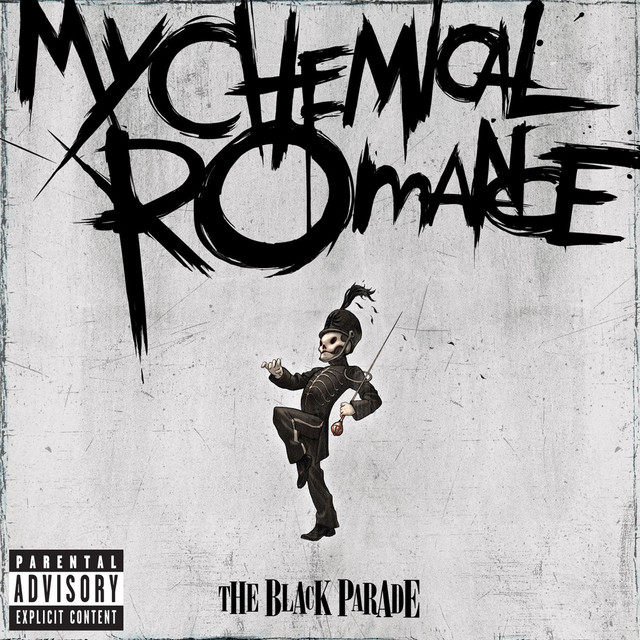
My Chemical Romance’s "House of Wolves," from their ambitious 2006 album The Black Parade, stands as a visceral critique of organized religion wrapped in a cloak of rock theatrics. The song, driven by its frenetic pace and Gerard Way's haunting vocals, expresses a struggle not just against personal demons but also against the institutions that seek to control faith.
Religious Symbolism and Irony
The track opens with a proclamation of rebellion, setting the tone for its examination of faith. Lines like
position the speaker as both a willing martyr and a pawn in a larger game of power. This duality highlights the irony inherent in organized religion, where the noble act of sacrifice is often manipulated for control."I'll be your sacrificial lamb"
Way’s delivery is both urgent and defiant, suggesting a deep-seated frustration with the hypocrisy that often plagues religious institutions. The imagery of wolves, predatory and dangerous, reinforces the idea that faith can be weaponized, turning spiritual leaders into figures of fear rather than solace.
Critique of Organized Faith
Throughout the song, the critique sharpens. The lines
are a direct assault on the commercialization and corruption often seen in religious institutions. By using such stark language, My Chemical Romance doesn’t just criticize the institution; they challenge the very foundations of what faith can and should represent."The church is a whore"
The song’s driving beat and punk influences echo the spirit of rebellion found in the lyrics. This isn't merely a lamentation; it’s a call to arms against complacency. The imagery evokes a sense of urgency, as if the listener is being beckoned to question their own beliefs and the structures that dictate them.
Contextualizing the Message
Released during a time when many were grappling with the role of religion in society, "House of Wolves" taps into a broader cultural conversation. The mid-2000s saw a surge in questioning authority, and My Chemical Romance positioned themselves as the voice of a disenchanted youth. This anthem of defiance resonates with those who feel marginalized by dogmatic practices.
Interestingly, "House of Wolves" was produced by Rob Cavallo, known for his work with Green Day, which adds an extra layer of punk rock authenticity to the critique of faith.
Conclusion: A Personal Battle
Ultimately, "House of Wolves" serves as a potent reminder of the struggles between personal faith and organized religion. The imagery is stark, the message clear: faith should empower, not imprison. My Chemical Romance captures a moment of existential questioning that still echoes today, urging listeners to confront the wolves lurking within their own beliefs.