Unearthing Grief in 'Cemetery Drive'
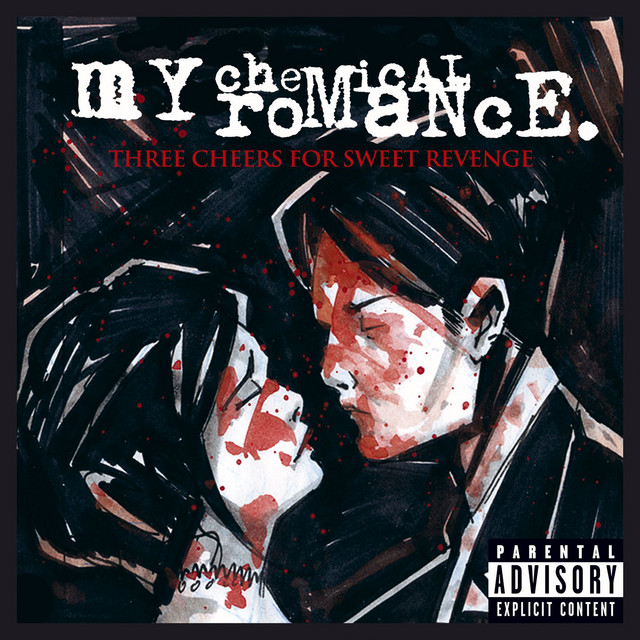
'Cemetery Drive' stands out on My Chemical Romance's seminal album, Three Cheers for Sweet Revenge, showcasing Gerard Way's battle with loss and longing. Released in 2004, this track encapsulates the emotional turmoil that often accompanies grief, blending visceral imagery with raw, confessional lyrics.
A Personal Connection to Death
Way's exploration of mortality and the impact of death on the living is palpable. He paints a picture of desolation and sorrow that speaks to his personal experiences. The line,
illustrates a yearning for connection, a desire to comfort in the face of inevitable loss."And if you could get by, I would be the one to hold you"
The Cemetery as a Metaphor
The titular cemetery serves as a powerful metaphor throughout the song. It reflects not just a physical space but also the emotional weight of memories and unresolved feelings. The imagery of a cemetery evokes a sense of finality, yet it also becomes a place of reflection. Way’s ability to transform such a stark setting into a canvas for his inner turmoil is a testament to his songwriting prowess.
Confronting the Past
In tracks like this, Way does not shy away from the uncomfortable. His vivid descriptions of loss draw listeners into his world, confronting them with the harsh realities of grief. The lyric
highlights a recognition that time does not heal all wounds; rather, it often amplifies them. This acknowledgment of the passage of time adds a layer of melancholy that permeates the song."The way I see it, it's just a matter of time"
Musical Composition Enhancing the Message
The instrumentation amplifies the emotional weight of the lyrics. The haunting guitar riffs and somber melodies create a backdrop that mirrors Way’s lyrical themes. The combination of alternative rock with gothic undertones is not just a stylistic choice but a reflection of the internal chaos Way is grappling with.
A Universal Struggle
While 'Cemetery Drive' is deeply personal, its themes are universal. Many listeners can relate to the experiences of loss and longing that Way expresses. His candidness in exploring the darker aspects of life resonates with fans who have faced similar struggles, making the song a cathartic anthem for those navigating their own grief.
Legacy of 'Three Cheers for Sweet Revenge'
Released during the early 2000s emo renaissance, Three Cheers for Sweet Revenge solidified My Chemical Romance's place in music history. 'Cemetery Drive' is not just one of the standout tracks; it serves as a vital piece of the album’s narrative arc, illustrating the emotional journey from despair to acceptance.
Did you know? 'Three Cheers for Sweet Revenge' was produced by Howard Benson, known for his work with various rock and metal bands, further enhancing the album's gritty sound.
The Enduring Impact
Years after its release, 'Cemetery Drive' remains a poignant reminder of the complexities of grief. Way's ability to share his pain so openly contributes to the song’s enduring appeal. As My Chemical Romance continues to influence new generations, 'Cemetery Drive' stands as a testament to the power of music in articulating the struggles we all face.