Existential Struggles in 'The Cave'
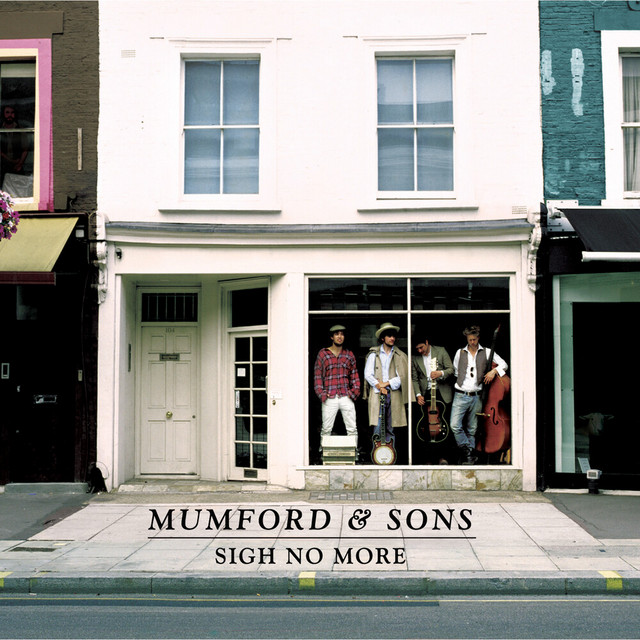
Mumford & Sons' "The Cave" is more than just a catchy folk rock anthem; it’s a profound exploration of existential philosophy that resonates with anyone grappling with their identity and purpose. Released in 2009 as part of their debut album, Sigh No More, the track has become emblematic of the band's ability to weave complex themes into their music.
The Influence of Existential Thought
The song draws heavily from existential philosophy, particularly the ideas of self-awareness and the search for meaning in a chaotic world. The lyrics echo the sentiments of thinkers like Jean-Paul Sartre and Albert Camus, who emphasized the importance of individual experience and the struggle against absurdity. Lines such as
reflect a conscious acknowledgment of suffering as a catalyst for personal growth."And I'll find strength in pain"
Confronting Darkness
The imagery of a cave serves as a potent metaphor for confinement and the journey toward enlightenment. In existential terms, the cave symbolizes ignorance and the shadows of self-doubt. The repeated assertion,
, exemplifies the defiance against despair, urging listeners to seek clarity and liberation from their internal struggles."I will hold on hope"
The Role of Hope and Resilience
Hope is a central theme in existential philosophy, and Mumford & Sons articulate this beautifully throughout the song. The line
serves as a reminder that while life may strip us of comfort, our resilience is unyielding. It’s a call to embrace the uncertainty of existence and find strength in vulnerability."You can’t take it all away"
Musicality and Emotional Weight
The instrumentation of "The Cave" enhances its philosophical depth. The driving banjo and powerful crescendos mirror the emotional turmoil described in the lyrics. The band's folk rock roots allow for a communal experience, inviting listeners to join in the journey of self-exploration.
Connection to the Album's Themes
Sigh No More as a whole grapples with themes of love, loss, and redemption. The existential elements in "The Cave" align with the overarching narrative of the album, which encourages listeners to confront their fears and emerge stronger. Each track contributes to a larger conversation about the human condition, making the album a modern folk classic.
Conclusion: A Journey Worth Taking
The enduring appeal of "The Cave" lies in its ability to articulate complex philosophical ideas through accessible lyrics and memorable melodies. As Mumford & Sons continue to evolve, the existential themes of this song remain relevant, resonating with those who seek understanding in an often incomprehensible world. It’s a reminder that while we may find ourselves in the dark, the journey toward the light is profoundly personal and deeply rewarding.
Did you know? "The Cave" was inspired by Plato's Allegory of the Cave, reflecting the struggle for enlightenment.