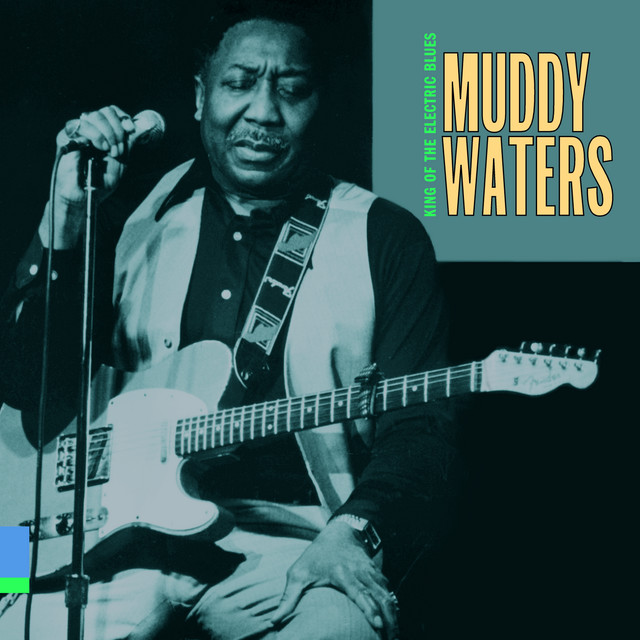
The Birth of a Blues Standard
Muddy Waters' "Mannish Boy," initially released as "Manish Boy" in 1955, stands as a cornerstone of the blues genre. Co-written with Mel London and Bo Diddley, this track is not merely a song; it’s a powerful declaration of identity, masculinity, and cultural heritage. With its driving rhythm and Waters' commanding voice, it captures the essence of a man who has come into his own.
The Folkloric Roots
The term "mannish" itself has deep roots in African American folklore, often used to describe a man who embodies strength, virility, and pride. This concept goes beyond the surface; it reflects a historical context where African American men had to assert their identity in a society that marginalized them. The song's lyrics, with lines like
, serve as a rallying cry, showcasing Waters' defiance against the systemic oppression faced by his community."I'm a man, I spell M-A-N"
Masculinity and Identity
In "Mannish Boy," the interplay between masculinity and identity is palpable. Waters’ assertion of being a “man” isn’t just personal; it speaks to a collective experience. The blues tradition often serves as a platform for expressing the struggles and triumphs of African American life. The song's raw energy and repetitive structure reflect the oral traditions of storytelling, where each performance is both a personal and cultural assertion.
A Reflection of the Times
The 1950s were a pivotal moment in American history, marked by the Civil Rights Movement and a burgeoning awareness of racial identity. Waters, born McKinley Morganfield, grew up in the Mississippi Delta, a region steeped in rich musical and cultural history. His experiences shaped his music, allowing him to channel the frustrations and hopes of his community into his art. "Mannish Boy" emerged during this time as a powerful anthem, aligning the personal with the political.
In 1988, "Mannish Boy" reached number 51 on the UK Singles Chart, showcasing its enduring appeal across generations.
Sound and Influence
The song's sound is just as significant as its lyrics. The driving beat and electric guitar riffs are hallmarks of Chicago blues, a genre that evolved from earlier Delta blues styles. Waters' collaboration with Diddley, another giant in the blues world, infused the track with a distinct rhythm that has influenced countless artists in rock, blues, and beyond. The impact of "Mannish Boy" can be heard in the works of rock legends like The Rolling Stones and Eric Clapton, who cite Waters as a major influence.
A Legacy Beyond Music
The legacy of "Mannish Boy" extends beyond its musical composition. It has become a cultural touchstone, representing a specific moment in African American history while simultaneously evolving into a universal anthem of manhood and resilience. The song's repeated affirmations not only celebrate individuality but also cast a light on the shared experiences of struggle and survival in a racially divided America.
Conclusion: The Enduring Power of 'Mannish Boy'
As we reflect on "Mannish Boy," it’s essential to appreciate the layers of meaning embedded within its groove. Muddy Waters didn’t just create a song; he crafted a narrative that speaks to generations. Through the powerful invocation of manhood, strength, and cultural pride, "Mannish Boy" remains a vital piece of American folklore, echoing the voices of those who dare to declare their identity in the face of adversity.