The Glamorous Edge
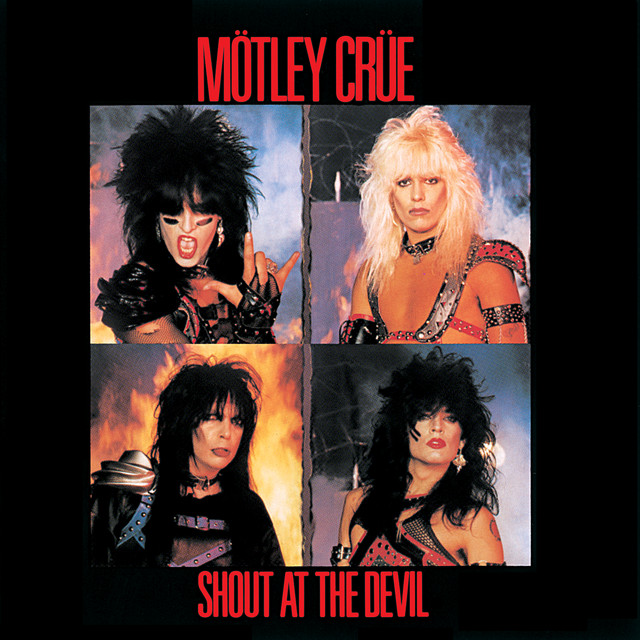
When Mötley Crüe dropped "Looks That Kill" in January 1984, it wasn't just a single; it was a declaration of identity. This track, from their breakout album Shout at the Devil, is steeped in the flashy aesthetics of glam rock while incorporating the raw energy and ethos of punk. The fusion creates a sound that's both polished and rebellious, perfectly encapsulating the band's ethos.
Glam rock, with its penchant for theatricality, found a new home in Crüe's sound. The band's use of makeup, leather, and outrageous outfits was not merely for show; it was a way to challenge societal norms around masculinity and sexuality. The very title, "Looks That Kill," suggests a power play, a weaponization of beauty and allure in a world that often seeks to undermine it.
Punk's Rebellious Spirit
While glam rock provided the aesthetic, punk infused Mötley Crüe's music with an attitude of defiance. The raw, aggressive guitars and driving rhythms in "Looks That Kill" echo the simplicity and urgency of punk's ethos. Tracks like the Ramones' "Blitzkrieg Bop" laid the groundwork for the kind of high-energy performance that would define the Crüe's live shows.
The lyrics themselves reflect a punk sensibility. The line
points to a complex female character, challenging the trope of the passive love interest. This character is dangerous, empowered, and unapologetically in control. It’s a nod to both glam and punk; the former celebrates femininity with flair, while the latter asserts independence and strength."She's got looks that kill, and a heart of stone"
The Cultural Collision
Mötley Crüe's blend of glam and punk was a reflection of the music scene's evolution in the early '80s. As heavy metal began to intertwine with punk’s rawness, bands like Crüe emerged as a new breed of rock star. They didn't just play music; they created a spectacle, drawing on the flamboyance of glam while channeling the rebellious spirit of punk.
Did you know? "Looks That Kill" became one of Mötley Crüe's signature tracks, solidifying their place in rock history and earning them a dedicated fan base.
The production of "Looks That Kill," helmed by Tom Werman, also played a crucial role in this dynamic. Werman's polished approach allowed the band's raw energy to shine without sacrificing the glam aesthetic that made them stand out. The result is a track that feels both gritty and grand, a perfect encapsulation of the era's contradictions.
The Legacy of Looks That Kill
In the years since its release, "Looks That Kill" has remained a touchstone for both glam and metal fans. Its influence can be seen in the work of later bands like Poison and Skid Row, who would adopt the same blend of glam flair and punk-inspired attitude. The song's enduring appeal lies in its ability to challenge norms while celebrating the very allure it critiques.
Ultimately, Mötley Crüe didn't just create a song; they forged a cultural moment. "Looks That Kill" is a testament to the power of rock music to blend opposing forces — glamour and grit, beauty and brutality — into something uniquely captivating. In an era dominated by rigid definitions of genre, Crüe's work emerged as a vibrant reminder that music, at its best, is a rebellious act.