The Birth of an Anthem
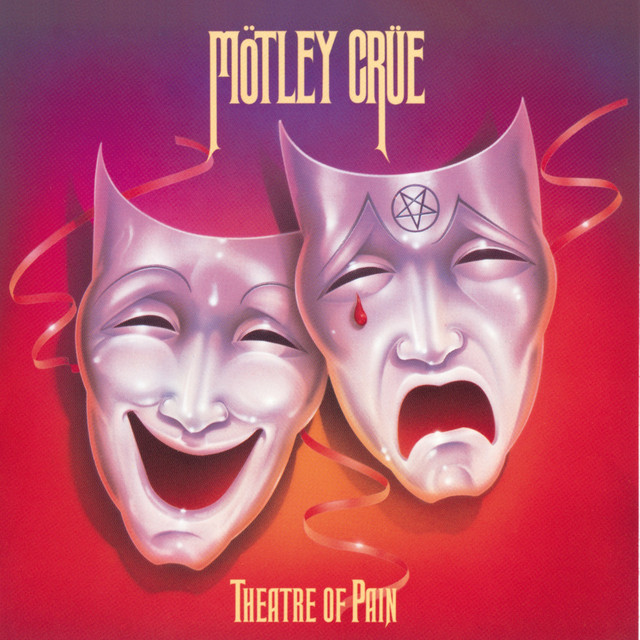
Released in 1985 on their third studio album, Theatre of Pain, "Home Sweet Home" marked a significant pivot for Mötley Crüe. Initially known for their hard-hitting glam metal sound, the band ventured into power ballad territory, producing a track that would eventually become synonymous with the genre. Produced by Tom Werman, the song's melodic structure and heartfelt lyrics signaled a departure from the raw aggression of their earlier work.
A Personal Reflection in a Turbulent Era
The mid-80s were a tumultuous time for Mötley Crüe, as they navigated the highs of fame and the lows of personal struggles. The band's lifestyle—a cocktail of excess, rebellion, and chaos—was mirrored in the lyrics of "Home Sweet Home." With lines expressing a yearning for belonging and comfort, the song juxtaposed the harsh realities of life on the road with a deep desire for home.
"I'm on my way, just set me free. Home sweet home."
These lyrics encapsulate the conflicting emotions of a band that was both living the dream and confronting the darker sides of fame. The yearning for home becomes a metaphor for stability, a stark contrast to the wild lifestyle they led.
The Rise of Power Ballads
As the 80s progressed, the power ballad emerged as a dominant force in rock music. Bands like Bon Jovi and Poison capitalized on this trend, and Mötley Crüe's "Home Sweet Home" played a pivotal role in popularizing the genre. It wasn't just a song; it was a blueprint for other bands looking to capture the hearts of fans with emotion and melody.
Interestingly, "Home Sweet Home" was one of the first videos to feature a narrative of the band's life offstage, showcasing vulnerability amidst their rockstar personas.
The Ironic Downfall
Ironically, as Mötley Crüe's popularity skyrocketed with hits like "Home Sweet Home," the internal pressures and destructive habits began to take their toll. The very comforts they sang about were elusive, as addiction and conflict brewed within the band. The song became a bittersweet reminder of what they were fighting for, even as they spiraled into chaos.
The power ballad, while initially a tribute to home and stability, became a reflection of their struggles. The lyrics, filled with longing and hope, stood in stark contrast to the reality of their lives, symbolizing their rise and impending fall.
A Legacy of Contradictions
Even as Mötley Crüe faced personal demons, "Home Sweet Home" solidified their legacy within rock music. It showcased their ability to blend hard rock with emotional depth, setting a precedent for future generations. The song's anthemic quality and relatable themes ensured its place in the rock canon.
"You know I'm a dreamer, but my heart's of gold."
This line resonates with many who find solace in dreams while grappling with the realities of life. It captures the essence of what Mötley Crüe represented—a group of dreamers caught in a whirlwind of success and turmoil.
The Enduring Impact
Today, "Home Sweet Home" remains a staple of classic rock radio and a powerful anthem for those who seek refuge from chaos. Its emotional weight continues to resonate, illustrating the duality of aspiration and despair. Mötley Crüe's journey, fraught with highs and lows, ultimately shaped this iconic ballad into a timeless reflection of their era.
As we look back at the rise and fall of Mötley Crüe, it's clear that "Home Sweet Home" is more than just a song—it's a testament to the complexities of fame and the universal longing for a sense of belonging.