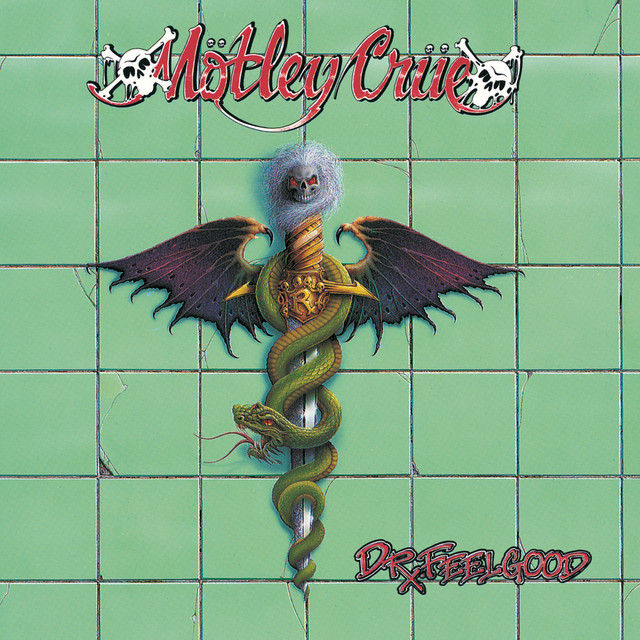
The Hard Truth Behind the Glamour
Released in 1989, Mötley Crüe's "Dr. Feelgood" stands as a quintessential heavy metal anthem, embodying the excesses and chaos of the rock and roll lifestyle. But beneath the polished surface lies a narrative deeply rooted in real-life experiences of drug dealing and addiction. The song, serving as the lead single from their album of the same name, captures a raw, gritty reality that extends far beyond the carefree image often associated with the genre.
Flipping the Script on Drug Culture
The titular character, "Dr. Feelgood," is not just a fictional construct; he represents the archetype of the drug dealer who preys upon the desperate and the lost. The lyrics paint a vivid picture of a man who brings a temporary high to those willing to sacrifice their well-being for a fleeting escape.
This line exemplifies how the allure of drugs often overshadows the dark consequences lurking beneath."He's the one they call Dr. Feelgood / He's the one that makes you feel alright."
Influence of Real Stories
The narrative of "Dr. Feelgood" draws inspiration from the real stories of drug dealers who operated in the shadows of society. It reflects the tales of those who commodified addiction, turning it into a lucrative business. The glamorization of such figures in popular culture often overlooks the destruction they leave in their wake. Mötley Crüe's portrayal serves as both a celebration and a critique, echoing the duality of rock stardom itself.
From the Streets to the Stage
Producer Bob Rock played a significant role in shaping the sound of this track, bringing a polished sheen to the gritty subject matter. The juxtaposition of heavy riffs and catchy hooks with dark lyrics illustrates the contradiction inherent in the band's lifestyle. Mötley Crüe was living the high life while simultaneously documenting the dangers that came with it.
The Mirror of Addiction
In many ways, "Dr. Feelgood" acts as a mirror reflecting the addiction crisis prevalent in the late '80s. The song doesn't shy away from the consequences of drug use; instead, it presents them with a sense of inevitability. The catchy chorus belies the underlying message that addiction can ensnare anyone, regardless of status or fame.
This acknowledgment of mortality adds a layer of depth and awareness to the otherwise celebratory tone."You know you’re gonna die young, you know you’re gonna die young."
Legacy and Impact
"Dr. Feelgood" remains a defining moment in Mötley Crüe's career, encapsulating the band's ability to address serious themes through the lens of heavy metal. The song's legacy is a testament to the power of storytelling in music, illustrating how real-life narratives can inform and enrich artistic expression. It serves as a stark reminder of the price of fame, capturing the essence of a generation grappling with addiction and its repercussions.
Interesting fact: The song reached No. 6 on the Billboard Hot 100, becoming one of Mötley Crüe's most commercially successful singles.
A Cautionary Tale
Ultimately, "Dr. Feelgood" is more than just an anthem; it’s a cautionary tale woven into the fabric of rock history. The influence of real-life drug dealer stories provides a sobering backdrop that challenges the listener to consider the real costs of pleasure and excess. Mötley Crüe didn’t just create a catchy tune; they crafted a narrative that resonates with the darker truths of human experience, ensuring that "Dr. Feelgood" remains relevant in discussions of addiction and rock culture.