The Gamble of Life and Death
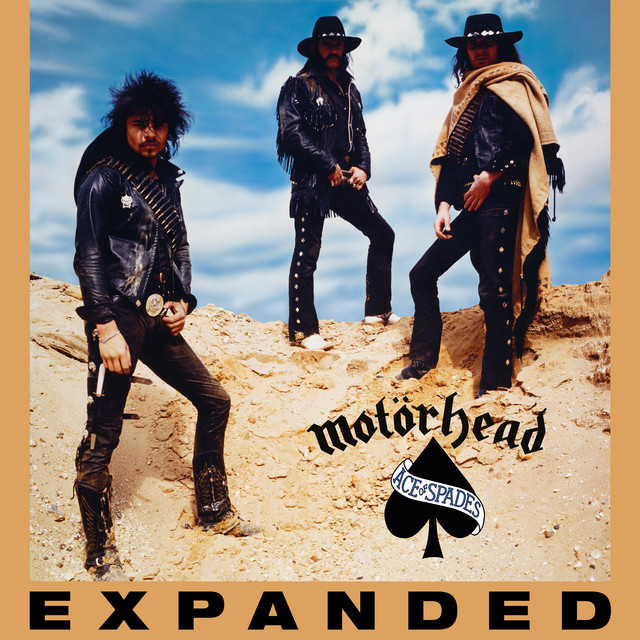
Released in October 1980, "Ace of Spades" stands as a thrilling anthem of risk, rebellion, and raw energy, forever cementing its place in rock history. The title track from Motörhead's fourth studio album, it captures the chaotic spirit of rock and roll while diving headfirst into the world of gambling addiction. The song's frenetic pace and Lemmy Kilmister's gravelly vocals convey a sense of urgency that mirrors the high stakes of life's most dangerous games.
The Man Behind the Lyrics
At its core, "Ace of Spades" is a reflection of Kilmister's own tumultuous relationship with gambling. The lyrics are not merely a metaphor; they stem from his real-life experiences, illustrating the thrill and peril that come with placing bets. Kilmister's penchant for gambling was notorious among friends and bandmates, and his fascination with the game informed the song's raw narrative.
"If you like to gamble, I tell you I'm your man / You win some, lose some, it's all the same to me"
These words encapsulate the essence of the gambler's mentality—an acceptance of risk that can lead to both ecstasy and despair. Kilmister presented gambling as an addiction that parallels the vices of rock and roll, where the line between exhilaration and destruction becomes dangerously thin.
Soundtrack of a Subculture
Musically, "Ace of Spades" is a powerhouse of heavy metal, featuring blistering guitar riffs and a relentless rhythm section that propels the song forward. Produced by Vic Maile, the album is often lauded as one of Motörhead's best, showcasing their ability to blend punk energy with rock's traditional elements. The title track's infectious energy made it a staple in live performances, creating an atmosphere where fans could lose themselves in the moment—much like a gambler at a high-stakes table.
Did you know? "Ace of Spades" is often considered Motörhead's signature song and has influenced countless bands across genres.
The Duality of Addiction
In many ways, Kilmister's lyrics serve as a cautionary tale. The euphoric highs of winning are juxtaposed against the agonizing lows of loss. The line,
highlights the compulsion that drives addicts to gamble despite the consequences. This duality speaks to a broader narrative within rock music, where the celebration of excess often comes with an undercurrent of tragedy."The pleasure is to play, it makes no difference what you say"
Cultural Impact and Legacy
"Ace of Spades" transcended its origins, becoming a cultural touchstone in the world of rock and metal. Its themes of risk and reward resonate with fans who find themselves drawn to the darker side of life. The song has been covered and referenced by numerous artists, reflecting its enduring relevance and the universal struggle with addiction.
Moreover, the iconic status of the song has led to its use in various media, from films to video games, further embedding it into the fabric of popular culture. Whether it's the adrenaline rush of a casino or the high-octane energy of a rock concert, the song captures the essence of living on the edge.
A Lasting Reminder
Ultimately, Motörhead's "Ace of Spades" serves as a powerful reminder of the highs and lows of gambling. Kilmister's candid reflection on his addiction offers an honest perspective that many can relate to, both in and out of the music industry. The song's relentless energy and raw honesty continue to inspire new generations, encouraging listeners to confront their own vices while celebrating the thrill of life.