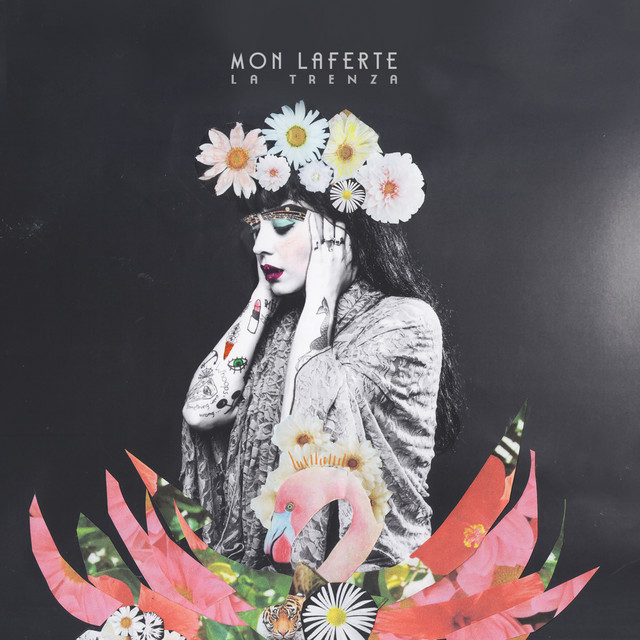
Folklore Meets Modernity
Mon Laferte's 'Pa’ Dónde Se Fue,' released on April 28, 2017, stands as a testament to the enduring power of traditional Latin American folklore. Produced alongside Manú Jalil, this track fuses contemporary pop with a rich tapestry of cultural influences that speak to both personal and collective experiences.
Laferte's artistry is deeply embedded in the Latin American musical tradition. The song is not merely a modern pop hit; it draws from the rhythms and storytelling techniques prevalent in regional music. This blending is particularly evident in Laferte's vocal delivery, which channels the emotional weight often found in Mexican ranchera and Chilean folk music.
The Emotional Core
At its heart, 'Pa’ Dónde Se Fue' explores themes of loss and longing, emotions that are common in folklore narratives. The lyrical content hints at a deeper connection to the past, as Laferte sings about memories and the pain of absence. This is where the influence of traditional music becomes apparent; folk songs often tell stories of love and sorrow, resonating with the listener on a visceral level.
"¿A dónde se fue la ilusión?"
This line encapsulates the song's essence, asking where hope and dreams have vanished, echoing sentiments found in traditional ballads that lament lost love or fading memories.
A Rich Cultural Context
Laferte's Chilean roots place her within a vibrant tradition of folk music that includes artists like Violeta Parra and Vicente Fernández, whose works often reflect the struggles and joys of everyday life. These influences are vital in understanding the emotional depth of 'Pa’ Dónde Se Fue.'
Incorporating elements from genres such as bolero and cumbia, Laferte showcases her ability to traverse musical boundaries. This is reminiscent of the work of contemporary artists like Christian Nodal and C. Tangana, who similarly integrate traditional sounds into modern contexts, creating something both nostalgic and fresh.
Vocal Techniques and Instrumentation
Laferte's vocal techniques also borrow from traditional practices. Her ability to convey raw emotion through her voice is akin to the fervent delivery found in traditional Latin American singing. The instrumentation—rich with strings and percussion—serves to further anchor the song within its folkloric roots.
Did you know? Mon Laferte has cited influences from various genres, including bolero, ranchera, and rock, making her music a fusion of diverse cultural elements.
The production by Manú Jalil complements this by incorporating traditional instrumentation, giving the track a warmth that feels both familiar and innovative. This approach mirrors the ethos of artists like Fito Páez and Fonseca, who have successfully blended traditional Latin sounds with modern pop sensibilities.
Cultural Resonance
'Pa’ Dónde Se Fue' serves as a reminder of the importance of cultural heritage in contemporary music. Mon Laferte is not just a pop artist; she is a bridge connecting the past with the present, ensuring that the stories of traditional folklore endure in a modern context. Her music invites listeners to reflect on their own experiences while celebrating the shared narratives of Latin American culture.
In a music landscape often dominated by fleeting trends, Laferte's commitment to her roots stands out. She does not shy away from expressing the complexities of love and loss, utilizing the rich textures of folk music to enhance her narrative. This approach cultivates a deeper appreciation for the stories that have shaped her identity and those of countless others.
A Lasting Legacy
As we listen to 'Pa’ Dónde Se Fue,' we are reminded of the unseen threads that connect us to our past. The song’s blend of modern pop with traditional folklore illustrates how cultural influences can shape contemporary narratives. Mon Laferte continues to pave the way for a new generation of artists who understand the power of tradition in creating music that speaks to the heart.