Folklore as a Visual Language
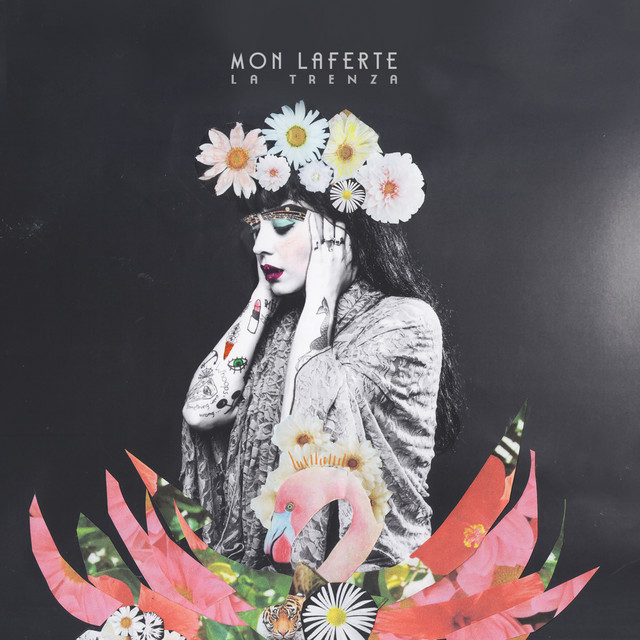
Mon Laferte's "Amárrame" is more than just a collaboration with Colombian superstar Juanes; it’s a vivid exploration of love wrapped in the rich traditions of Mexican folklore. Released on February 10, 2017, as part of her album La Trenza, the song intertwines personal longing with cultural heritage, showcasing how folklore can amplify emotional resonance.
From the very first notes, Laferte draws listeners into a world steeped in tradition. The song’s title, translating to 'Tie Me Up,' carries a weight that transcends mere romantic desire. It's a call for connection, reminiscent of the passionate ballads that echo through Mexican history. As Laferte sings, she invokes imagery that feels both timeless and immediate.
Imagery Rooted in Tradition
The music video for "Amárrame" further amplifies these themes, featuring vibrant colors, traditional costumes, and folkloric dancers. The visual choice isn’t accidental; it’s a declaration of pride in her roots and a reminder of the cultural stories that have shaped her identity. Each frame is a homage to the past, suggesting that love is not only a personal experience but a shared cultural narrative.
"Amárrame, que no quiero irme a ningún lugar"
This line resonates with the listener, embodying a desire for stability grounded in cultural familiarity. Laferte’s yearning is not just for a partner but for a sense of belonging, an anchor in a world that often feels disorienting. This longing taps into the collective memory of Mexican folklore, where love stories are often intertwined with loss and longing.
Folklore and Femininity
Laferte’s portrayal of femininity in "Amárrame" draws from traditional Mexican stories that celebrate strong women. Her lyrics often reflect a duality: the strength of a woman who can love fiercely while also feeling vulnerable. This complexity is prevalent in Mexican folklore, where female figures often embody both nurturing and powerful traits.
Mon Laferte's music often integrates elements of bolero, ranchera, and pop, positioning her as a modern artist rooted in tradition.
In "Amárrame," the interplay of strength and vulnerability manifests in the way Laferte invites her partner into her world. Her desire for connection is layered with cultural significance, making the listener reflect on the role of women in both love and society. It's a celebration of femininity that feels relevant to contemporary audiences while honoring its folkloric origins.
Modern Reinterpretations
In the digital era, Laferte stands as a bridge between past and present, using platforms like Spotify and YouTube to reach a global audience. Her ability to weave folklore into modern pop is a testament to her artistry. The success of her singles, including "Tu Falta De Querer" and "Mi Buen Amor," showcases her versatility while maintaining a strong connection to her heritage.
As she sings about love in "Amárrame," she does so with an awareness that her music is part of a larger narrative. Each note is a reminder that the stories of our ancestors continue to shape our experiences today. The imagery of folklore in her work encourages a dialogue about identity, culture, and the evolving nature of love.
The Legacy of 'Amárrame'
Ultimately, "Amárrame" is a celebration of cultural identity through the lens of personal experience. Laferte’s ability to invoke Mexican folklore in her music is a powerful reminder of the ways in which art can reflect and shape our understanding of love. By intertwining traditional themes with contemporary sounds, she creates a space where her audience can engage with both their past and present.
As Mon Laferte continues to innovate and inspire, "Amárrame" stands as a key example of how folklore can provide depth and richness to modern storytelling, proving that the heart of music is often found in the stories we tell and the cultures we embrace.