Introduction to a Soul Classic
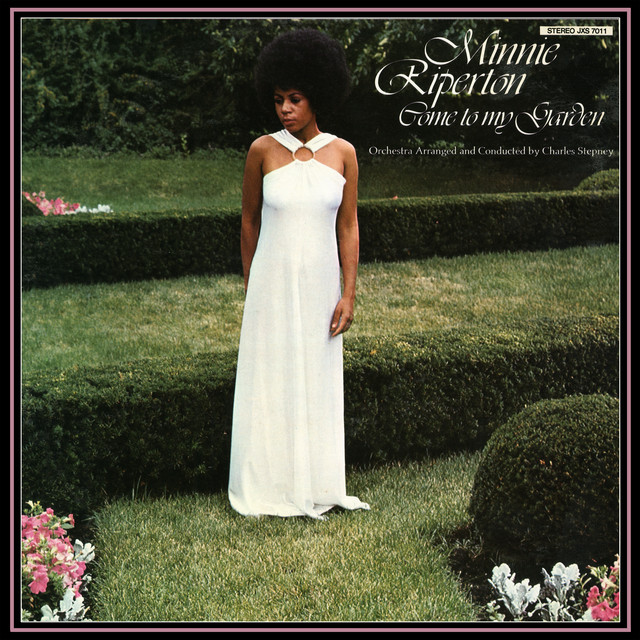
Minnie Riperton's "Only When I'm Dreaming" is a haunting exploration of desire and loss, drawn from her 1970 album, Come to My Garden. Released during a time when soul music was evolving, Riperton’s style combined lush arrangements with her extraordinary five-octave range, setting her apart in a crowded genre.
Personal Loss and Artistic Expression
Riperton's life was marked by profound experiences that shaped her music. The singer’s battle with cancer, which ultimately claimed her life at the young age of 31, imbued her work with an urgency and emotional depth that few artists can replicate. In "Only When I'm Dreaming," she channels a sense of longing, perhaps hinting at her own struggles with the impermanence of love and life.
Dreams and Reality
The song's lyrics reflect a duality between dreams and reality, echoing Riperton's personal experiences. The line "I dream of you often" speaks to a yearning that transcends physical presence, capturing the essence of lost love. This sentiment resonates with anyone who has experienced the bittersweet nature of reminiscing.
"But only when I'm dreaming, do I feel you near me."
Here, Riperton articulates the pain of separation and the solace found in dreams. It's a powerful reminder of how love can linger in the subconscious, even when reality feels stark and lonely.
Musical Composition and Emotional Delivery
Produced by the legendary Charles Stepney, the song features a rich arrangement that complements Riperton’s soaring vocals. The instrumentation — lush strings intertwined with soft percussion — creates an ethereal soundscape, reinforcing the dreamlike quality of the lyrics. This blend of musicality and emotion is what makes Riperton's work timeless.
The Influence of Personal Tragedy
Riperton's experiences of love and loss were not just personal struggles; they were universal themes that many listeners could connect with. As she navigated the complexities of her own relationships, the authenticity of her emotions translated into her music. It's this authenticity that allows songs like "Only When I'm Dreaming" to transcend time.
In 1979, shortly after her passing, Riperton’s influence continued to grow, as artists like Mariah Carey and Beyoncé cited her as a significant inspiration.
Legacy of 'Only When I'm Dreaming'
"Only When I'm Dreaming" stands as a testament to Riperton's ability to convey deep emotional truths. It’s not just a song; it's an exploration of love's complexities, reflecting both joy and sorrow. The juxtaposition of her ethereal voice with the heartfelt lyrics creates a haunting experience that lingers long after the last note fades.
Conclusion: A Lasting Impact
Riperton's legacy is one of resilience. Despite her tragic early death, her music continues to touch hearts and inspire artists. "Only When I'm Dreaming" serves as a reminder that even in the face of loss, love remains a powerful and enduring force.