Jazz Elements in Soul's Embrace
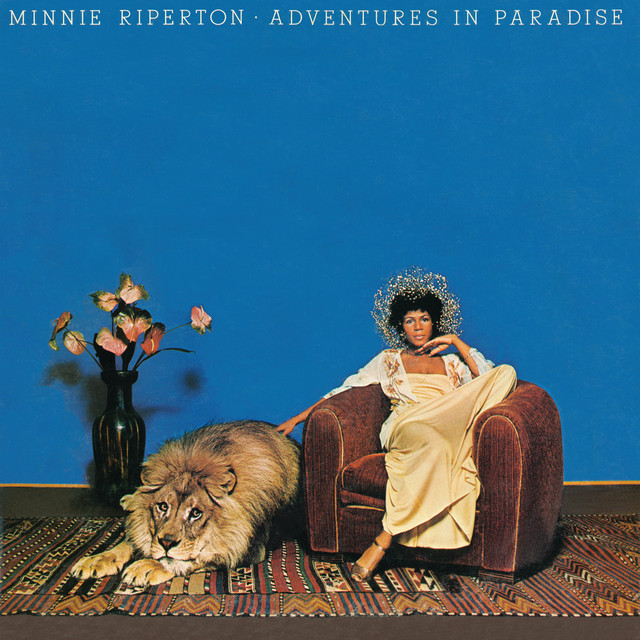
Minnie Riperton's 'Baby, This Love I Have' from her 1975 album Adventures in Paradise is a masterclass in the fusion of jazz and soul. Though primarily known for her soaring vocals and smooth R&B melodies, Riperton's track reveals a subtle yet profound jazz influence that enhances its emotional resonance and complexity.
The song opens with a delicate piano arrangement, setting a contemplative mood reminiscent of classic jazz ballads. This foundation allows Riperton's five-octave range to shine, as she weaves through the melodic lines with an improvisational feel typically reserved for jazz vocalists. The instrumentation behind her is not just a backdrop; it’s an integral part of the narrative, echoing the nuances of Riperton's delivery.
Instrumentation and Arrangement
The rich use of horns and strings in the arrangement adds a layer of sophistication. The strings, in particular, have a lushness that complements the jazzy undertones of the piano. This combination creates a soundscape that feels both intimate and expansive, allowing Riperton's voice to soar over the instrumentation. The way the horns punctuate key moments in the song gives it an almost conversational quality, akin to a jazz ensemble's interplay.
"Baby, this love I have is all I have to give..."
This lyric encapsulates the vulnerability at the heart of the song. Riperton's delivery is both soft and powerful, showcasing her ability to convey deep emotion through subtle inflections. In jazz, emotional expression often hinges on the interpretation of a lyric, and Riperton does this effortlessly, breathing life into every phrase.
Vocal Techniques and Jazz Influences
Riperton's vocal techniques are another nod to jazz traditions. She employs melisma and intricate phrasing that allow her voice to dance around the beat rather than adhere strictly to it. This fluidity is a hallmark of jazz singing, and Riperton's ability to navigate through vocal runs adds a layer of sophistication to the song. The way she stretches notes and plays with timing invites listeners into a space that feels spontaneous and alive.
Interestingly, Riperton was heavily influenced by artists like Ella Fitzgerald and Sarah Vaughan, who are known for their jazz improvisation skills. This influence is palpable in her vocal style.
Impact on Soul Music
The jazz influences in 'Baby, This Love I Have' not only elevate Riperton's performance but also contribute to a broader dialogue about the evolution of soul music. The genre has its roots in jazz, and Riperton's ability to integrate these elements reflects the ongoing relationship between the two styles. By infusing her soulful sound with jazz techniques, she carves out a unique space in the music landscape of the 1970s.
In the context of her album Adventures in Paradise, which peaked at No. 5 on the Billboard Top Soul chart, this track stands out as a testament to Riperton's artistry. It showcases her willingness to push boundaries and explore the depths of her musical influences. The blend of jazz and soul in this song speaks not only to Riperton's talents but also to her desire to create something that transcends genre limitations.
Conclusion: A Timeless Classic
'Baby, This Love I Have' remains a timeless classic, not just for its poignant lyrics and Riperton's stunning vocal delivery, but for its rich jazz influences that continue to inspire contemporary artists. The song is a reminder of the power of musical fusion and the ways in which artists like Riperton have shaped the sounds of their time, leaving an indelible mark on the world of music.