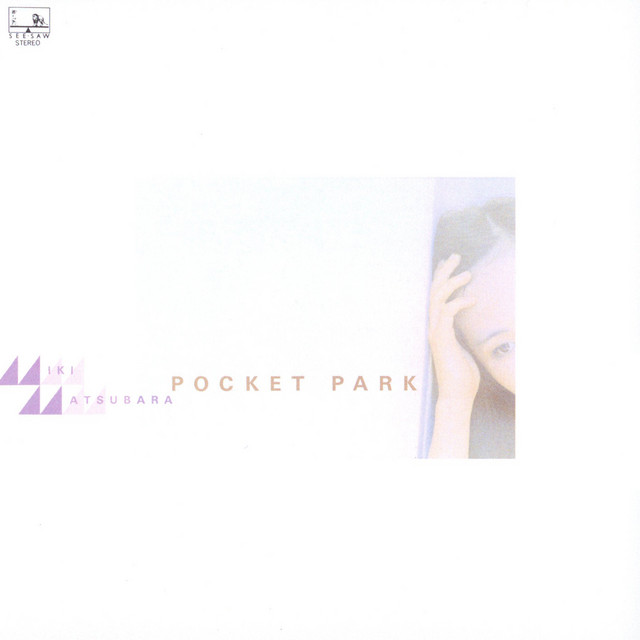
The Song That Captured Midnight Musings
Released in 1979, Miki Matsubara's "Mayonaka no Door~stay with me" quickly became more than just a pop hit; it transformed into an anthem for late-night introspection. Originally the ending theme for the anime "Gu-Gu Ganmo," it showcased Matsubara’s unique ability to blend city pop with heartfelt lyrics that linger long after the last note fades.
A Nostalgic Journey
City pop, the genre that defines the late 70s and 80s Japanese music scene, thrives on themes of urban life and emotional complexity. Matsubara’s track encapsulates this through its infectious melody and the melancholy undertone of longing. The opening lines immediately draw the listener in, creating a sense of yearning that feels especially potent in the quiet hours of the night.
Lyrics That Speak to the Soul
The song's hypnotic chorus—"stay with me"—is a plea that resonates with anyone who has found themselves alone with their thoughts after dark. Matsubara’s delivery is both tender and urgent, a vocal performance that captures the essence of vulnerability. There's an immediate connection in the way she expresses a desire for companionship amidst the stillness of midnight.
"Oh, I want you to stay with me tonight"
This lyric encapsulates the essence of the song, transforming a simple request into a profound reflection on loneliness and the need for human connection.
The Sound of Late-Night Reflection
The instrumentation also plays a vital role in the song's emotional landscape. The smooth, jazzy chords paired with a steady beat create a soothing backdrop that invites the listener to lose themselves in thought. It’s no wonder that the song has found renewed popularity on platforms like TikTok, where users share their late-night musings, often set against this very melody.
Timely Resurgence
In recent years, "Mayonaka no Door~stay with me" has seen a renaissance, particularly among younger audiences discovering city pop for the first time. The song's themes of nostalgia and introspection resonate in a world increasingly defined by digital connection yet marked by emotional isolation.
Interestingly, Matsubara's song was initially credited to her stage name Suzie Matsubara, reflecting the crossover appeal and commercial strategy of the time.
Why It Matters
As we navigate our own late-night thoughts, the song serves as a soundtrack for introspection, a reminder of our shared human experience. It’s a bridge between generations, allowing listeners to connect over universal feelings of love, loss, and longing.
Conclusion
"Mayonaka no Door~stay with me" transcends its origins as an anime theme song to become a timeless anthem for anyone who has ever stared into the night and sought solace in the warmth of another’s presence. Miki Matsubara’s legacy is not just in the notes she sang but in the emotions she sparked, making her work a staple for those midnight moments of reflection.