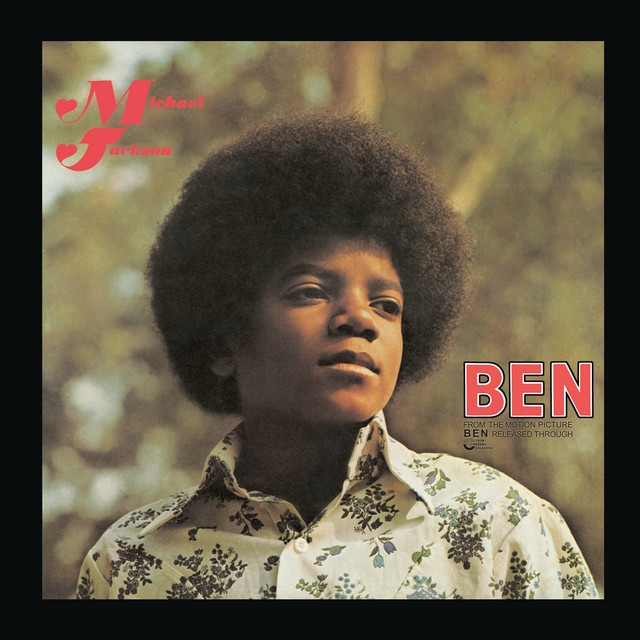
The Genesis of Vulnerability
Michael Jackson's 1972 single "Ben" marked a pivotal moment in his career, showcasing a level of emotional depth that would reverberate throughout his future works. Written by Don Black and composed by Walter Scharf for the film of the same name, the song is an ode to a pet rat, yet its themes of companionship and loneliness touch on something much deeper. At just 14 years old, Jackson delivered a performance that belied his age, revealing a vulnerable side that would become a cornerstone of his artistry.
A Shift in Narrative
In "Ben," Jackson sings,
This line encapsulates a sense of longing and connection, themes that would recur throughout his discography. Unlike many of his contemporaries who focused on bravado and glamour, Jackson embraced vulnerability, allowing listeners to see the real man behind the glitz."Ben, the two of us need look no more / We both found what we were looking for"
Influences on Later Work
The emotional honesty found in "Ben" would bleed into Jackson's later hits. Songs like "This Is It," co-written with Paul Anka, echo the same themes of love and longing, albeit in a more adult context. The reflective nature of the lyrics reveals an artist who is not afraid to confront his feelings head-on.
Interestingly, "Ben" was Michael Jackson's first solo No. 1 hit on the Billboard Hot 100, demonstrating the commercial viability of his vulnerable approach.
Legacy of Vulnerability
As Jackson matured, so did his exploration of complex emotions. Tracks like "She's Out of My Life" and later works such as "Will You Be There" show a continued commitment to vulnerability. His ability to convey pain, longing, and tenderness resonated with audiences, setting him apart in the pop landscape.
A Lasting Impact
"Ben" not only established Jackson as a solo artist but also laid the groundwork for his future explorations into the emotional spectrum of human experience. His portrayal of vulnerability became a hallmark of his work, influencing countless artists who followed. Today, the song stands as a testament to the power of emotional honesty in music, proving that even a love song to a pet rat can change the course of an artist's career.