Origins of a Classic
"Sway" is a song that has danced its way through decades, bringing with it the essence of romance and rhythm. Originally composed in 1953 by Pablo Beltrán Ruiz with lyrics by Norman Gimbel, it became a staple of the Latin jazz genre. Dean Martin's sultry, laid-back version in 1954 introduced the song to a wider American audience, setting the stage for its enduring legacy.
Dean Martin's Influence
Martin infused the song with a playful charm that was quintessential to his style. His recording, which appeared on the album Dean Martin Sings, showcased his smooth vocals and easygoing delivery. The line, "When marimba rhythms start to play, dance with me, make me sway," perfectly captures the song's hypnotic allure. This version became an instant classic, often associated with romantic evenings and smoky lounges.
Bublé's Modern Take
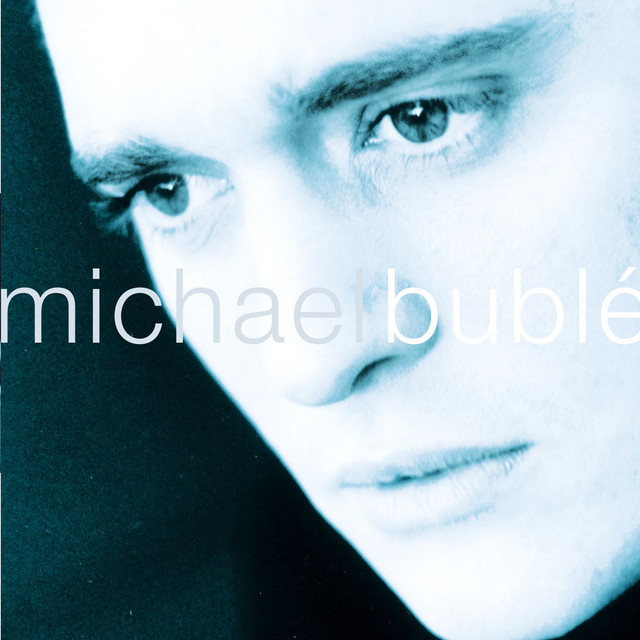
Fast forward to 2003, when Michael Bublé, a Canadian crooner with a flair for jazz standards, included "Sway" in his self-titled debut album. His rendition, produced by David Foster, breathed new life into the song, appealing to both nostalgic listeners and a new generation. Bublé's lush orchestrations and charismatic vocals brought a contemporary energy, making it a standout track.
Why 'Sway' Matters
Bublé's version of "Sway" is not just a cover; it’s a revival that honors the past while making the song accessible for today’s audience. He maintains the original’s romantic essence but adds a swing that invites listeners to move. The line,
showcases his ability to intertwine emotion with rhythm, a hallmark of his musical identity."Like a lazy ocean hugs the shore, hold me close, sway me more,"
Legacy and Impact
In the years since its release, Bublé's "Sway" has become synonymous with modern jazz and pop standards. It has been featured in films, commercials, and live performances, solidifying its place in popular culture. Bublé’s ability to connect with audiences through this classic illustrates the timeless nature of the song.
Conclusion
The journey of "Sway" from Dean Martin to Michael Bublé is a testament to its universal appeal. Each artist brought their own flair, creating a bridge between eras. Martin laid the groundwork with his smooth charisma, while Bublé’s vibrant energy revitalized the classic. As long as people seek connection through music, "Sway" will continue to inspire couples to dance and dream.
Michael Bublé's debut album has sold over 5 million copies worldwide, showcasing the enduring popularity of his interpretations.