The Shadows of Childhood
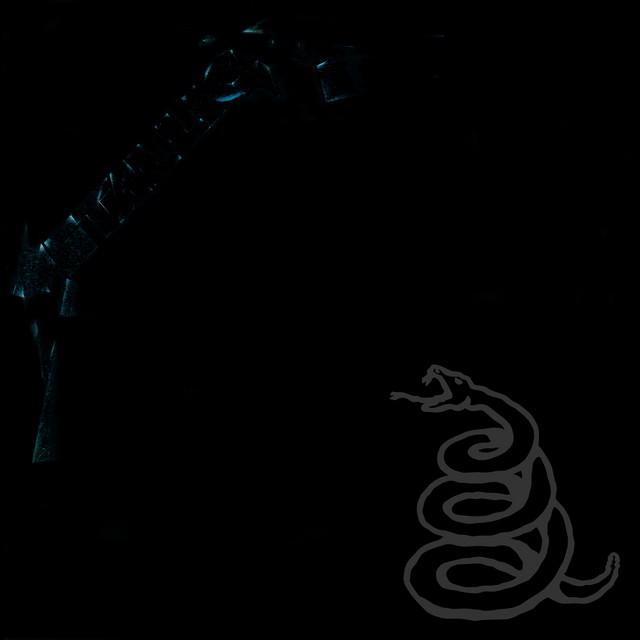
Metallica's "The Unforgiven (Remastered)" serves as a stark reminder of how childhood trauma can shape a person's identity. Originally released in 1991 on their self-titled album, commonly known as the "Black Album," the song addresses the conflict between personal desires and societal expectations. The remastered version, released in 2021, enhances the haunting quality of its narrative, making it even more impactful.
Life's Confining Rules
The protagonist embodies a struggle against the constraints imposed by family and society. The lyrics portray a sense of regret and longing, as the character grapples with the notion of being molded into someone they are not. The line,
highlights the internal battle of self-repression."What I've felt, what I've known, never shined through in what I've shown"
Musical Haunting
Musically, the song blends elements of rock and orchestral arrangements, creating a somber yet powerful soundscape. This is juxtaposed with the rawness typical of Metallica's earlier work, reflecting the struggle between vulnerability and aggression. The remastering process brought forth previously muted nuances, allowing listeners to experience the emotional weight of the story more fully.
The Burden of Expectations
Childhood experiences often lay the groundwork for adult identities, and "The Unforgiven" illustrates this phenomenon vividly. The relentless pressure to conform is palpable, as the protagonist's journey unfolds through lyrics that capture the pain of unfulfilled expectations. The line,
speaks to the cyclical nature of judgment and identity, revealing how trauma can perpetuate itself through generations."You labeled me, I’ll label you"
From Personal to Universal
While deeply personal, the song's themes resonate universally. Many listeners find comfort in its exploration of isolation and self-doubt, recognizing their own struggles reflected in the lyrics. The remastered version does not shy away from these themes; instead, it amplifies them, making the narrative feel more urgent and relevant.
Metallica's "The Unforgiven" was part of a larger cultural moment in the early '90s, coinciding with the band's ascent to global superstardom.
A Legacy of Pain
Beyond the music, the legacy of "The Unforgiven" speaks to the long-lasting impact of childhood trauma. It invites listeners to confront their past and the ways it shapes their present. The song's candidness about pain and isolation makes it a timeless anthem for those who have felt trapped by their circumstances.
Conclusion
In the end, "The Unforgiven (Remastered)" stands as a powerful testament to the struggles of growing up under the weight of expectations. Metallica’s ability to encapsulate such profound themes in a rock anthem is a testament to their artistry. As the remastered version breathes new life into the track, it reaffirms its place as a defining piece in the rock canon, urging listeners to reflect on their own narratives of trauma and resilience.