A Dark Beginning
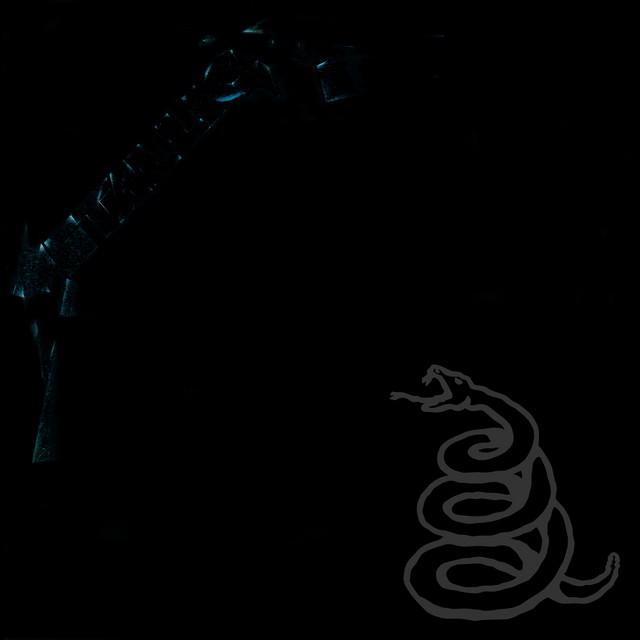
When Metallica stepped into the studio in October 1990, they were on the cusp of creating one of their most enduring tracks, 'Sad But True.' This song, part of the legendary 'Metallica' album (often referred to as 'The Black Album'), was the first to be written during the sessions but also the last to receive its lyrics. The irony of this timing mirrors the song's themes of inner turmoil and self-reflection.
Musical Evolution
The demo recorded on October 4, 1990, laid the foundation for what would become a heavy, rhythmic juggernaut. The song's distinctive groove, forged by the interplay of James Hetfield's gritty guitar riffs and Lars Ulrich's relentless drumming, creates an unsettling yet captivating atmosphere. It draws listeners into a world that feels both personal and universal.
The Lyrics: A Journey Within
As the lyrics began to take shape, they reflected the haunting nature of self-awareness and the darker sides of human existence. Hetfield's words, particularly in lines like
, capture the essence of self-doubt and the struggle against one's own demons. This sentiment resonates with anyone who has grappled with their inner conflicts."I am my own worst enemy"
Reflecting the Times
Released in 1991, 'Sad But True' arrived during a period marked by societal unrest and personal upheaval. Metallica's ability to channel these feelings into their music allowed them to connect with a generation. The song's heavy sound and introspective lyrics provided a cathartic experience for fans facing their own realities.
Interestingly, 'Sad But True' has transcended genres, inspiring reinterpretations including a Mongolian folk music version, highlighting its universal themes.
Legacy of 'Sad But True'
The remastered version of 'Sad But True' brings new life to the original track without losing its haunting essence. The enhanced production allows for a deeper exploration of its themes, inviting listeners to confront their emotions once more. This track has not only stood the test of time but has also grown in significance, reflecting the ongoing struggles that define the human experience.
Conclusion: A Timeless Reflection
In the end, 'Sad But True' remains a powerful reflection of Metallica's ability to encapsulate the human condition through music. As they continue to evolve, the song serves as a reminder of the band's roots in heavy metal while also embracing the complexities of life. Metallica's exploration of self through this haunting track is a testament to their artistry, making 'Sad But True (Remastered)' as relevant today as it was over three decades ago.