War's Echoes in Metallica's Masterpiece
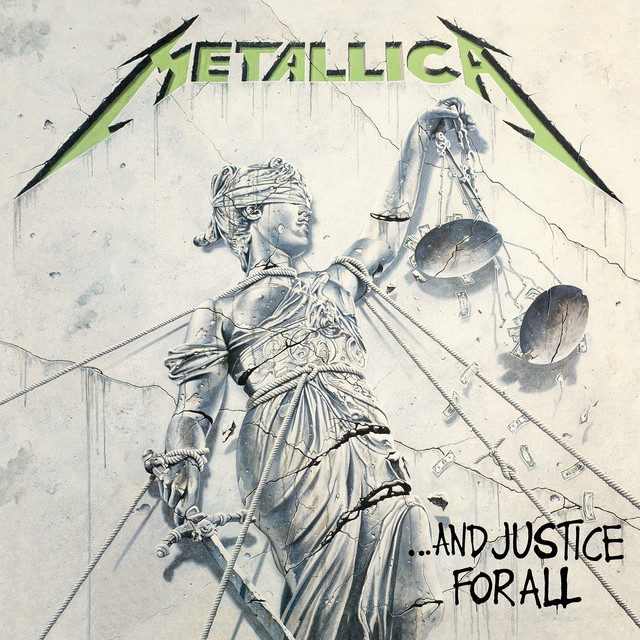
Metallica's "One" stands as a harrowing exploration of the trauma and disillusionment faced by soldiers. Released as the third single from their critically acclaimed album, ...And Justice for All in 1989, the song draws its inspiration from Dalton Trumbo's 1939 novel, Johnny Got His Gun, which tells the story of a soldier who is severely injured during World War I.
The narrative follows Joe Bonham, who loses his arms, legs, and face, but retains his consciousness, trapped in a body that no longer functions. This chilling premise resonates throughout the song, as Metallica encapsulates the despair and isolation that accompany such a fate.
The Lyrics That Haunt
The lyrics of "One" serve as a visceral reminder of the soldier's plight. With lines like
, listeners are thrust into the mind of a man grappling with the aftermath of war. The stark imagery evokes the struggle between life and the void, effectively capturing the essence of a soldier's internal battle."Now that the war is through with me, I’m waking up, I cannot see"
Drummer Lars Ulrich has noted that the song was written during a time when the band was increasingly influenced by social issues. The raw emotion embedded in the track is a direct reflection of their desire to address the impact of war on the human psyche. The song is not merely a critique of war; it’s a deep dive into the human condition when faced with unimaginable trauma.
From Fiction to Reality
Trumbo's work was inspired by real events, drawing on the horrors experienced by World War I soldiers. The novel itself was an anti-war statement, emphasizing the futility and destruction inherent in armed conflict. Metallica amplified this message through their heavy instrumentation and haunting melodies, creating a soundscape that mirrors the chaos of battle.
The song's music video, featuring footage from the 1971 film adaptation of Johnny Got His Gun, was groundbreaking for its time, merging cinematic visuals with Metallica’s powerful sound.
During the recording of "One," the band employed a unique approach to convey the emotional weight of the lyrics. The song starts with a quiet, somber tone, gradually building to an intense climax. This progression reflects the journey from a soldier's initial confusion and fear to an explosive release of pent-up emotion, symbolizing the anger and frustration felt by many veterans.
The Legacy of 'One'
Since its release, "One" has become a staple in Metallica's live performances, often serving as a moment of reflection for fans and the band alike. The song has transcended its original context, becoming an anthem for those affected by war. In the years following its debut, it has been adopted by various anti-war movements, reinforcing its status as a critical commentary on the consequences of conflict.
The remastered version of ...And Justice for All, released in 2021, brings a new clarity to the song, allowing listeners to fully appreciate its intricate details and emotional depth. The enhanced production highlights the contrast between the serene verses and the explosive choruses, further emphasizing the duality of peace and turmoil.
Conclusion: A Timeless Message
Metallica's "One" remains a powerful reminder of the cost of war, rooted in the real-life experiences of soldiers. The band's ability to transform a fictional narrative into a universal truth about human suffering speaks volumes about their artistry. As we reflect on the song’s impact, it’s clear that its message is as relevant today as it was over three decades ago.