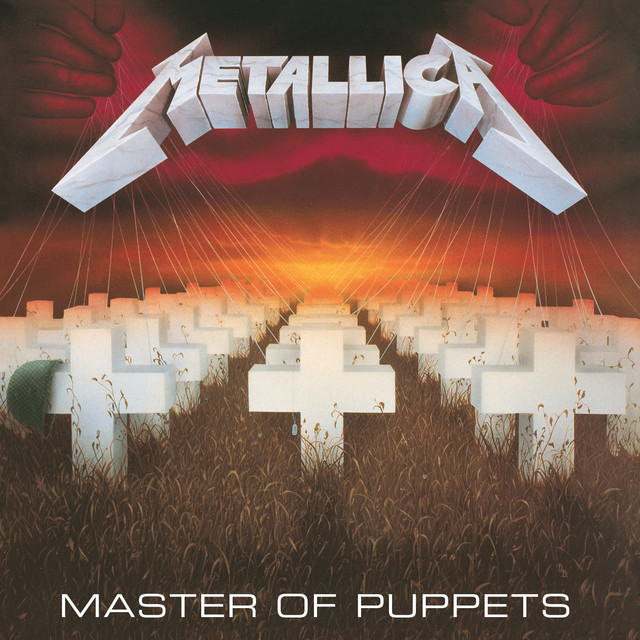
The Interlude of Control
Metallica's "Master of Puppets" is often recognized for its blistering riffs and incisive lyrics addressing addiction and manipulation. Yet, nestled within this thrash metal cornerstone is an instrumental section that serves as a pivotal moment, rich with complexity and emotion. Recorded in Copenhagen and released on March 3, 1986, this part of the song transcends mere musicality and delves into the psyche of both the listener and the band.
The instrumental section, which begins after the frenetic verses, creates a stark contrast. It's almost as if the chaos of the preceding lyrics — the harrowing lines about being a puppet controlled by an unseen force — gives way to a moment of reflection. The listener is invited to absorb the weight of the message rather than be swept away by the relentless aggression.
A Symphony of Distortion
As the guitars harmonize, there's a haunting quality that emerges. The solos intertwine with the rhythm section, creating a sense of both despair and inevitability. It's a depiction of the struggle against addiction, captured not in words but in sound. This instrumental break is a sonic metaphor for the internal battle; it reflects both the allure and the destructive nature of dependency.
Drummer Lars Ulrich’s precision and the dual guitar work of James Hetfield and Kirk Hammett add layers to this moment. They create a swirling atmosphere that feels like being caught in a storm — tumultuous yet strangely beautiful.
The Emotional Climax
When the band returns to the lyrical content, the transition feels almost jarring. The line
resonates with the listener, but it’s the instrumental that sets the emotional stage. The juxtaposition between the chaos of addiction and the serene yet haunting melodies invites a deeper contemplation."Master, master, where's the dreams that I've been after?"
Moreover, the remastered version enhances the clarity of this instrumental section, allowing every note to shine. The crispness of the production brings out subtleties that might have been lost in the original 1986 release. It’s a testament to how technology can breathe new life into classic tracks, revealing previously masked nuances.
The Broader Context of Metallica’s Artistry
In the larger context of the album, “Master of Puppets” stands as a thematic centerpiece. Metallica’s ability to blend aggression with introspection has influenced countless bands and genres. The instrumental section reinforces the idea that metal can be both punishing and introspective, a reflection of the human condition.
Interesting fact: "Master of Puppets" was the first Metallica album to be certified Gold and later went 6x Platinum, cementing its status in heavy metal history.
Conclusion: A Moment of Reflection
The instrumental section of "Master of Puppets (Remastered)" is not merely a break from the lyrical onslaught; it’s a crucial part of the song’s narrative arc. It encapsulates the struggle, the pain, and the beauty of the fight against control. In a genre often defined by speed and aggression, this moment invites listeners to pause and reflect, making it a uniquely powerful experience within Metallica’s iconic discography.