Rooted in Heritage
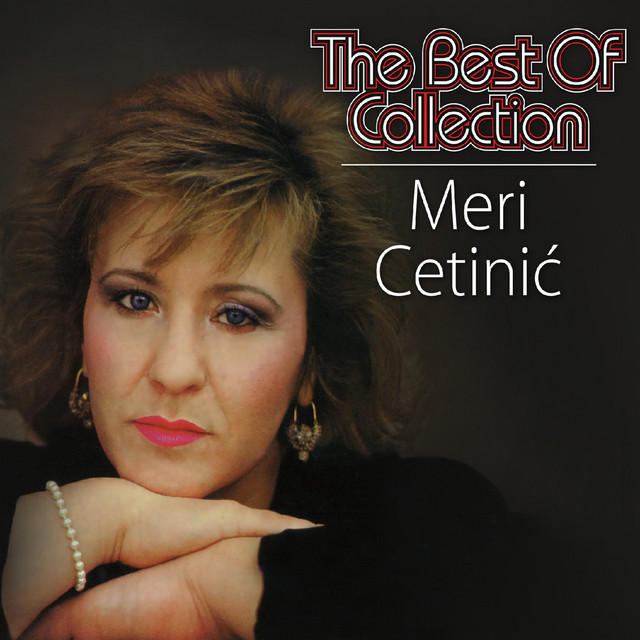
Meri Cetinic’s "Nina Nana," from her 2021 album *Mali Princ*, stands as a moving tribute to the traditional lullabies of Croatia. This song is not just a melody; it’s a connection to the past that resonates with anyone familiar with the soothing sounds of their childhood. The influence of traditional lullabies is evident in its structure and thematic essence, providing a sense of comfort and nostalgia.
Melodic Simplicity
The lullaby tradition in Croatia often features simple, repetitive melodies designed to calm infants. Cetinic employs this technique masterfully, creating an atmosphere that feels both intimate and universal. The gentle rise and fall of her vocals mirrors the soft cooing of mothers singing to their children, a sonic embrace that seems to echo across generations.
"Nina nana, spavaj, draga, tvoja mama čeka"
In this line, which translates to "Nina nana, sleep, dear, your mama is waiting," the lyrics reflect the tender reassurance that is a hallmark of lullabies. This direct invocation of maternal love grounds the song in a familiar emotional territory, making it relatable to anyone who has experienced that nurturing bond.
Cultural Resonance
The lullabies of Croatia are steeped in history and culture, often passed down through generations. By incorporating these traditional elements, Cetinic not only preserves them but also revitalizes their significance for contemporary audiences. The song feels like a homage to the past while simultaneously inviting listeners into a shared experience of love and care.
Interesting fact: Traditional Croatian lullabies often include elements of local folklore, making them rich with cultural significance.
Emotional Depth
The emotional weight of "Nina Nana" is amplified by its simplicity. Unlike many modern pop songs that rely on complex arrangements and production, Cetinic keeps it straightforward, allowing her voice and the underlying message to shine through. The song is a reminder that sometimes, less is more.
"U snu te čekam, ti si moje sunce"
Here, Cetinic sings, "In dreams, I wait for you, you are my sun," creating a visual of yearning and hope that transcends the confines of a lullaby. This line speaks to the universal experience of longing, making the song not just a lullaby, but a heartfelt reassurance that love is ever-present, even in sleep.
Production Choices
Conclusion: A Lasting Legacy
In a world where lullabies are often forgotten, Meri Cetinic’s "Nina Nana" serves as a poignant reminder of their importance. By weaving traditional elements into her music, she not only honors her cultural heritage but also contributes to the ongoing narrative of lullabies as a source of comfort and connection. As listeners, we are invited to embrace the warmth of these melodies and the love they represent.