Literary Echoes in Metalcore
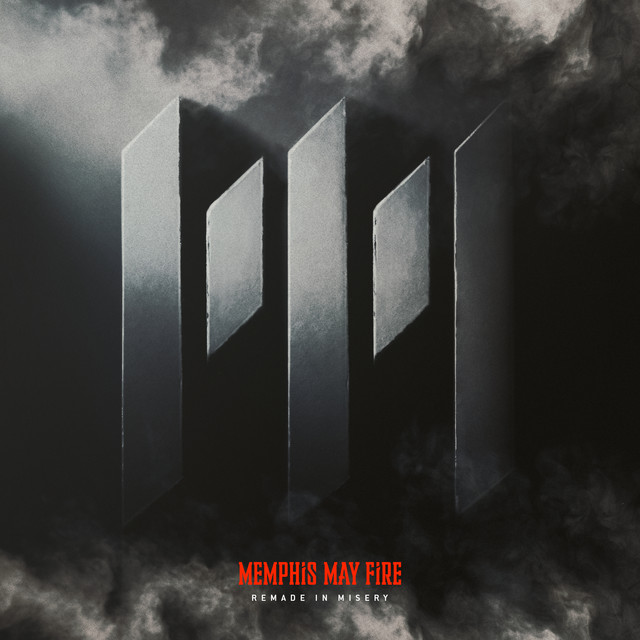
Memphis May Fire's latest album, Remade in Misery, released on June 3, 2022, offers a visceral exploration of pain and despair through a metalcore lens. The band's frontman, Matty Mullins, channels a raw emotional energy that resonates with listeners, echoing themes found in classic literature. The song "Misery" serves as a prime example, intertwining the personal with the universal in a way that feels both timeless and immediate.
Shakespearean Shadows
Shakespeare’s tragic characters often grapple with overwhelming despair, a theme that Mullins captures in his lyrics. The line,
evokes the same existential dread that permeates works like Hamlet. Mullins doesn't just express personal suffering; he channels a deeper, almost Shakespearean sense of tragedy, where the mind becomes a prison."I’m trapped in my mind, I’m losing my grip"
Modern Existentialism
The influence of existential literature also looms large in "Misery." The angst reflected in the lyrics can be paralleled with the works of writers like Jean-Paul Sartre or Albert Camus, who delve into the absurdity of existence. Mullins sings,
suggesting a familiarity with suffering reminiscent of Camus' exploration of the human condition. The sense of isolation in the song aligns with the existentialist view that we are all ultimately alone in our struggles."This pain is my only friend"
Dante's Descent
Moreover, the imagery in "Misery" can be seen through the lens of Dante Alighieri's Inferno. Just as Dante navigates the circles of hell, Mullins’ verses illustrate a descent into personal hell, filled with regret and longing. The haunting refrain of feeling trapped aligns with Dante's portrayal of souls lost in despair. The line
echoes the cries of the damned, lost in their own suffering."I’m screaming for help but no one can hear me"
The Weight of Isolation
Isolation is a theme that runs through many literary works, from Mary Shelley’s Frankenstein to Emily Dickinson’s poetry. In "Misery," Mullins captures that same sense of alienation, articulating the struggle of being surrounded by people yet feeling utterly alone. This powerful sentiment is particularly relevant in a world increasingly marked by superficial connections.
This thematic depth makes "Misery" not just a song about personal pain, but a reflection on the human experience itself.
Conclusion: Bridging the Gap
Memphis May Fire's "Misery" stands as a testament to how classic literature can inform and deepen the emotional resonance of modern music. By weaving together themes of tragedy, existentialism, and isolation, the band creates a compelling narrative that speaks to both contemporary struggles and timeless human experiences. The result is not just a metalcore anthem, but a lyrical exploration that invites listeners to confront their own "misery" in a world that often feels devoid of understanding.