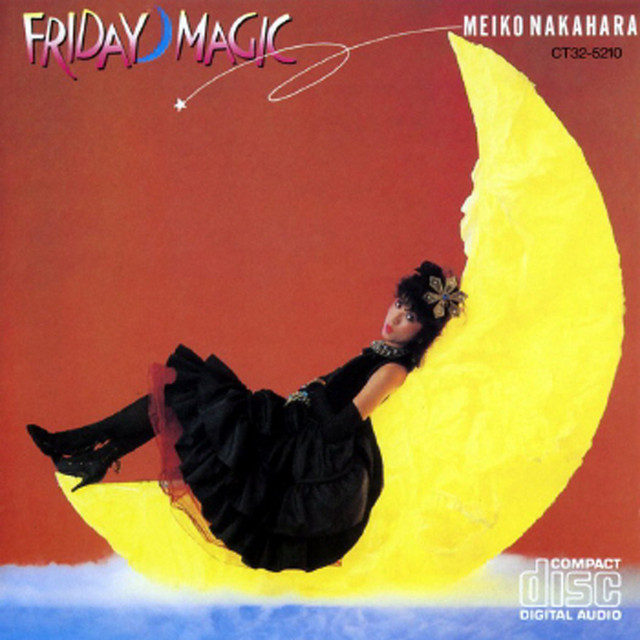
Visual Poetry in 'FANTASY'
Released in 1982 on the album FANTASY, Meiko Nakahara’s titular track is a vibrant exploration of imagination, interweaving stunning visual imagery with the rich tapestry of Japanese folklore. The song's evocative lyrics paint pictures that resonate with traditional stories, creating a compelling blend of sound and vision.
Nakahara, a prominent figure in the Japanese pop scene of the 1980s, infuses her music with elements that echo the fantastical motifs found in folklore. Her ability to conjure vivid landscapes through her words is not just a testament to her songwriting prowess but also a reflection of the cultural narratives that shape her artistry.
Folklore and Fantasy
Japanese folklore is steeped in supernatural elements, from spirits and demons to mythical creatures. Nakahara’s FANTASY captures this essence with lines that evoke the mystique of these stories. The imagery of 'floating in a dream' and 'dancing with the stars' invites listeners into a realm where reality blurs with the fantastical.
"In the dream, I soar towards the sky, surrounded by whispers of the night."
This lyrical moment exemplifies her ability to transcend the ordinary, echoing the themes of Japanese myth where dreams often serve as a bridge between the human world and the divine. The ethereal quality of her voice enhances this imagery, creating a sound that feels both otherworldly and deeply rooted in cultural tradition.
Symbolism and Imagery
The recurring motifs in Nakahara’s work often draw parallels to the symbolism found in Japanese art. For instance, the concept of 'mono no aware', the beauty found in the transient nature of life, is subtly woven into her lyrics. This idea is reflected in the fleeting moments of joy and sorrow in FANTASY, reminding listeners of the delicate balance in existence.
Additionally, the imagery of nature is prevalent throughout the song. References to cherry blossoms, a symbol of the ephemeral beauty of life, resonate with the listener, grounding the fantastical elements in familiar cultural signifiers. Nakahara’s skill lies in merging these symbols with her personal narrative, creating a universal appeal.
Cultural Significance
Meiko Nakahara, born May 8, 1959, has often been celebrated for her contributions to the J-Pop genre. However, her work extends beyond simple pop aesthetics. With FANTASY, she challenges the listener to engage with a deeper cultural narrative, one that celebrates the intersection of modernity and tradition.
Did you know? Meiko Nakahara gained immense popularity in the 1980s, becoming a voice for a generation that sought to blend traditional values with contemporary themes.
The song's lush arrangements, coupled with Nakahara’s melodic sensibility, create a sonic landscape that mirrors the visual imagery of her lyrics. The orchestration feels grand yet intimate, a fitting backdrop for the stories she seeks to tell.
The Legacy of 'FANTASY'
As we revisit Nakahara's FANTASY more than four decades since its release, its relevance remains intact. The song serves as a reminder of the power of storytelling in music, particularly within the context of cultural identity. Nakahara's work exemplifies how music can serve as a vessel for folklore, breathing new life into ancient tales.
The connection between Nakahara’s lyrics and Japanese mythology offers listeners a unique exploration of identity, imagination, and the human experience. As we navigate through her fantastical narrative, we find ourselves not just passive listeners but active participants in a story that transcends time and space.