The Birth of a Classic
Released in 1964, Mary Wells' "My Guy" stands as a quintessential Motown track, crafted by the legendary Smokey Robinson. This song didn't just climb the charts; it became a cultural phenomenon, wrestling its way into the hearts of listeners and solidifying Wells' place in music history.
With its catchy melody and relatable lyrics, "My Guy" was more than just another love song. It marked a significant moment in the evolution of the Motown sound, showcasing the label's ability to blend pop sensibilities with soulful delivery. Wells' smooth vocal style, combined with Robinson's expert production, created a track that was both innovative and timeless.
A New Voice for Women
At its core, "My Guy" is an anthem of loyalty and devotion, but it also embodies a shift in the portrayal of women in popular music. While many female artists of the era were often depicted as helpless romantics, Wells sang with confidence and self-assuredness. She declares,
This line is not just a proclamation of love; it's a declaration of independence."Nothing you could say / Can take me away from my guy."
This empowerment was radical for its time. Wells' confident assertion that her loyalty could not be swayed challenged the typical narratives surrounding women in relationships. Instead of being passive participants, women were beginning to take center stage as active players in their romantic destinies.
The Motown Sound and Its Influence
The Motown sound was characterized by its blend of rhythm and blues, pop, and gospel influences, creating a sonic landscape that was both accessible and deeply emotive. "My Guy" exemplifies this with its infectious rhythm and Wells' soaring vocals. The song features the signature tambourine-heavy beat and lush string arrangements, elements that became hallmarks of the Motown genre.
This track was instrumental in establishing the Motown brand as a leader in the music industry, particularly during the civil rights movement when music served as a unifying force. Wells' hit was not just a commercial success; it laid the groundwork for future female artists to express themselves authentically.
A Lasting Legacy
Wells' success with "My Guy" paved the way for a wave of female artists who followed in her footsteps, from Diana Ross to Aretha Franklin. Each of these artists would take the empowerment message further, yet they all owe a debt to Wells for her pioneering spirit and vocal prowess.
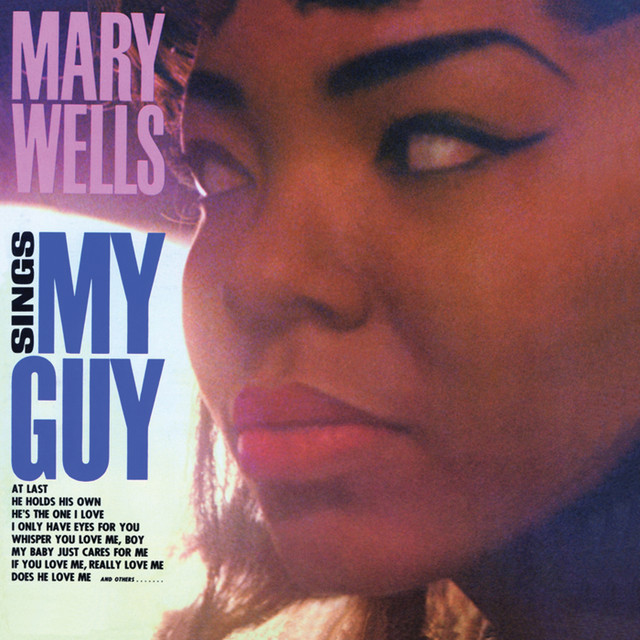
In fact, "My Guy" became Wells' second million-seller, further establishing her as a formidable force in the music industry. The song was featured on her albums "Greatest Hits" and "Mary Wells Sings My Guy," both of which showcased her versatility and depth as an artist.
Interestingly, Smokey Robinson initially wrote the song as a response to The Temptations' hit "My Girl," flipping the narrative to center on a woman's perspective.
Conclusion: More Than Just a Song
Ultimately, "My Guy" transcends its catchy hooks and melodic charm. It stands as a testament to the power of female representation in music during a time when such voices were often sidelined. Mary Wells, through her artistry, carved out a space for women to express their feelings with confidence and assertiveness.
The impact of "My Guy" continues to echo in today's music, reminding us that the fight for female empowerment in the industry is ongoing. Wells' legacy is not just in her hits but in the way she opened doors for future generations of artists, proving that a woman's voice can be both powerful and unapologetic.