The Burden of Awareness
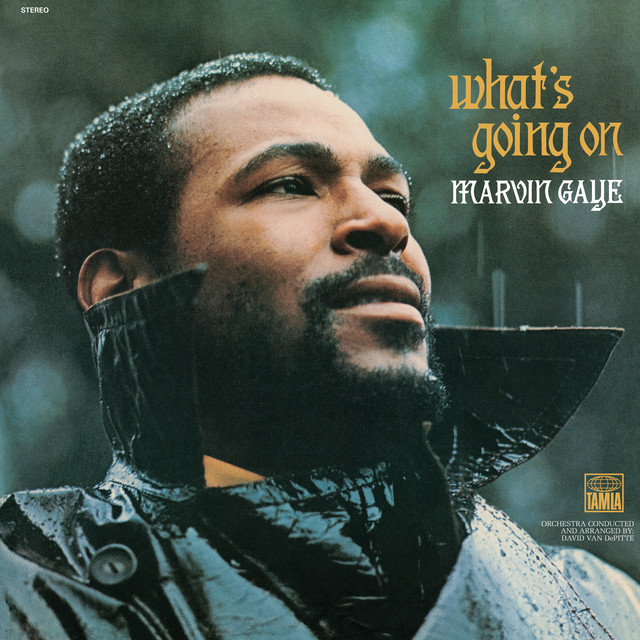
When Marvin Gaye released "What's Going On" in 1971, the world was a turbulent place. The Vietnam War was raging, civil rights movements were gaining momentum, and social injustices were laid bare. Gaye, a Motown superstar, was not immune to the chaos. He was deeply affected by the events unfolding around him, which played a critical role in shaping the album that bore the same name.
Gaye’s personal life was also marred by struggles. He faced a tumultuous relationship with his father, a minister with rigid expectations, and battled his own demons, including depression and substance abuse. His ability to channel these experiences into his music was both a gift and a curse. As he poured his heart into songs like the title track, he exposed himself to a vulnerability that would haunt him.
Activism Through Art
The lyrics of "What's Going On" reflect a quest for understanding amidst chaos. Gaye implores listeners to consider the plight of others with lines like:
"Father, father, we don't need to escalate."
This plea was not just a call for peace; it was a reflection of Gaye’s own desire for resolution—both in society and within himself. The weight of this activism was heavy, often leaving him feeling isolated. Gaye’s sensitivity made him acutely aware of the suffering that surrounded him, but it also led to profound distress.
The Creative Process
In creating the album, Gaye faced resistance from Motown executives who were primarily focused on commercial success. They were skeptical about the socially conscious direction he wanted to take. Yet, Gaye pressed on, driven by a need to use his platform for change. This struggle between artistic integrity and commercial viability became a central theme in his life.
The album’s production also reflected Gaye’s emotional state. Working with the likes of David Van De Pitte and his own meticulous arrangements, he infused the music with a richness that mirrored his inner turmoil. The soulful instrumentation and layered vocals were a reflection of the complexity of his feelings—an urgent response to a world in crisis.
Personal Toll
Gaye’s commitment to social activism through his music came at a personal cost. The pressures of being a voice for the voiceless weighed heavily on him. As he sang about love, unity, and social justice, he wrestled with his own feelings of despair and inadequacy. The candidness of lines like:
"War is not the answer, for only love can conquer hate."
spoke to a longing for healing that Gaye himself struggled to achieve. His ability to articulate these sentiments made him a beacon of hope, yet it also deepened his sense of isolation.
Legacy and Reflection
"What's Going On" became a watershed moment in music history, influencing countless artists and movements. However, it’s essential to recognize the personal sacrifices Gaye made in the process. The album, released on May 21, 1971, not only showcased his artistic genius but also laid bare the emotional turmoil that accompanied his quest for social justice.
In the years that followed, Gaye continued to grapple with the psychological impact of his activism. His life was marked by further struggles, leading to a tragic end in 1984. The legacy of "What's Going On" remains powerful, serving as a reminder of the cost of speaking out and the toll it can take on the artist.
Despite initial resistance from Motown, "What's Going On" went on to become one of the most critically acclaimed albums of all time, solidifying Gaye's status as a pioneer of socially conscious music.