The Burden of the Artist
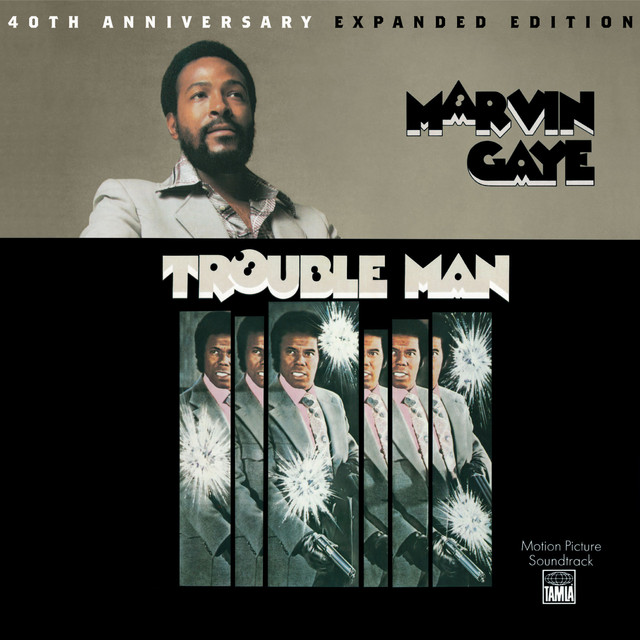
In the early 1970s, Marvin Gaye was at a crossroads. The Motown icon, known for his silky voice and romantic ballads, was grappling with personal turmoil that would seep into his work. His 1972 soundtrack album, 'Trouble Man,' marked a pivotal shift in his artistry, reflecting the struggles he faced both personally and professionally.
A Soundtrack Born from Struggles
'Trouble Man' was not just Gaye’s first venture into film soundtracks; it was a raw exploration of his life challenges. Released on December 8, 1972, by Tamla Records, the album came at a time when Gaye was wrestling with the pressures of fame, mental health issues, and a troubled marriage to Anna Gordy.
In the title track, Gaye opens up about his battles with the line,
This lyric encapsulates the duality of his existence — the struggle against adversity and the emotional distance he felt as a result."I come up hard, baby, but now I'm cool."
More Than Just a Soundtrack
The film 'Trouble Man,' while not a box office hit, served as a backdrop for Gaye’s most personal work to date. The movie, which follows a hustler navigating life's challenges, mirrored Gaye’s own life experiences. In crafting the music, he infused the score with his own narrative, blending soul, jazz, and funk in a way that felt both cinematic and deeply intimate.
Gaye's collaboration with producer and arranger David Van De Pitte on this project allowed him to experiment with sound. The orchestral arrangements and tight brass sections complemented Gaye's smooth vocals, creating a sound that was both lush and gritty. The album's production reflects the chaos of his mind during a tumultuous period.
The Weight of Expectations
Gaye’s struggles were compounded by the expectations placed upon him by Motown and his audience. After the success of 'What's Going On,' the pressure to deliver another masterpiece was immense. With 'Trouble Man,' Gaye took a bold step away from the polished pop sound that had characterized his earlier work. He embraced a more raw, vulnerable style, evident in tracks like
This repeated refrain is not just a self-identifier but a confession of his internal conflicts."I’m a trouble man, I’m a trouble man."
Reflection and Redemption
As Gaye navigated the complexities of his life, he used music as a means of catharsis. 'Trouble Man' is filled with a sense of urgency and despair, yet also hints at resilience. Songs like
reveal a longing for hope amidst the chaos that surrounded him."I got to find a way to make it through."
Interesting fact: 'Trouble Man' was initially intended as a score for the film, but Gaye’s emotional investment made it a standalone album, showcasing his struggles as an artist.
The Legacy of 'Trouble Man'
Ultimately, 'Trouble Man' stands as a testament to Marvin Gaye’s artistry and his ability to channel personal pain into profound musical expression. The album did not achieve the commercial success of its predecessor, but it remains a critical piece of Gaye's legacy, illustrating his evolution as an artist willing to confront his demons head-on.
As listeners, we are reminded that the greatest art often comes from the depths of struggle. Marvin Gaye’s 'Trouble Man' is not just an album; it is a reflection of a man fighting against the tides of his own life, making it an enduring classic that continues to resonate with those who seek solace in music.