A Call for Consciousness
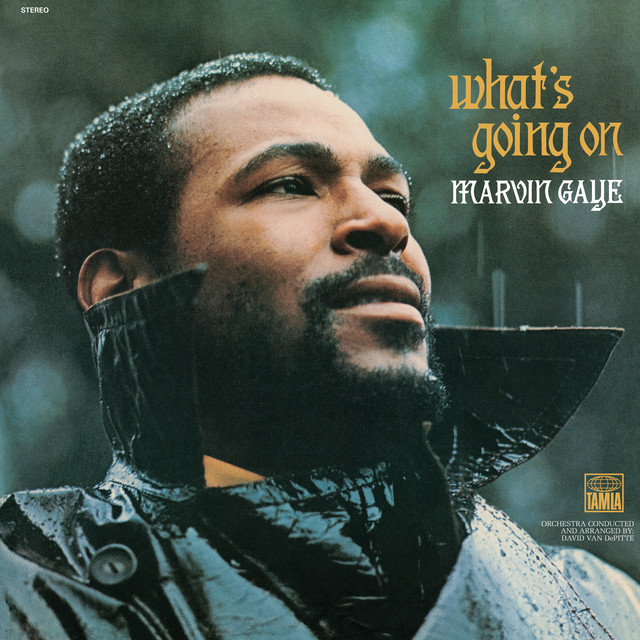
Released in 1971 as the second single from Marvin Gaye's groundbreaking album What's Going On, "Mercy Mercy Me (The Ecology)" stands out as a poignant commentary on the environmental issues that were beginning to surface in public consciousness. The song emerged during a time of social upheaval, where the civil rights movement and anti-war sentiments were coalescing into a broader critique of societal norms. Gaye's contribution to this evolving dialogue was both timely and prescient.
A Surprising Inspiration
Interestingly, Gaye's motivation for writing "Mercy Mercy Me" was deeply personal. While many associate the track with the burgeoning environmental movement, it was actually inspired by Gaye's own experiences and concerns regarding pollution and its effects on the world around him. He was particularly troubled by the rapid industrialization and its destructive impact on nature, as well as the overall inhumanity he witnessed in society.
Marvin Gaye was not just a singer; he was a deeply introspective artist who sought to address pressing issues through his music.
Lyricism Rooted in Reality
The lyrics of "Mercy Mercy Me" articulate a profound sense of loss and lamentation. Lines like
reflect Gaye's sense of mourning for the natural beauty that was being eroded by human activity. This question is not merely rhetorical; it taps into a collective anxiety about the environmental state of the world. Gaye's smooth vocals carry a weight of sorrow that resonates with listeners, making them reflect on their own relationship with the environment."Where did all the blue skies go?"
Influence and Legacy
Gaye's work on What's Going On is often credited with shaping the genre of soul music into a vehicle for social commentary. "Mercy Mercy Me (The Ecology)" was particularly influential in paving the way for future artists to tackle environmental issues, making it a precursor to the eco-conscious music that would emerge in the following decades. The track's blend of social awareness and musical innovation has made it a timeless piece.
Contextualizing the Message
In 1971, the concept of environmentalism was still in its infancy. The first Earth Day would not be celebrated until the following year. Gaye was ahead of the curve, using his platform to raise awareness about pollution and ecological degradation at a time when many were still oblivious to these issues. His ability to weave such themes into a love song framework illustrates his genius and foresight.
The Emotional Core
What makes "Mercy Mercy Me" so enduring is not just its lyrical content but the emotional depth Gaye brings to the performance. The song is imbued with both a sense of urgency and a deep melancholy, creating a unique atmosphere that captivates listeners. This emotional complexity invites audiences to engage with the message on multiple levels, from the personal to the political.
Conclusion: A Timeless Warning
Today, as we grapple with climate change and environmental crises, Gaye's "Mercy Mercy Me (The Ecology)" remains as relevant as ever. It serves as a reminder of the consequences of neglecting our planet, urging us to consider our role in its preservation. Marvin Gaye didn’t just write a song; he issued a clarion call for accountability, compassion, and change, making us reflect on the world we inhabit.