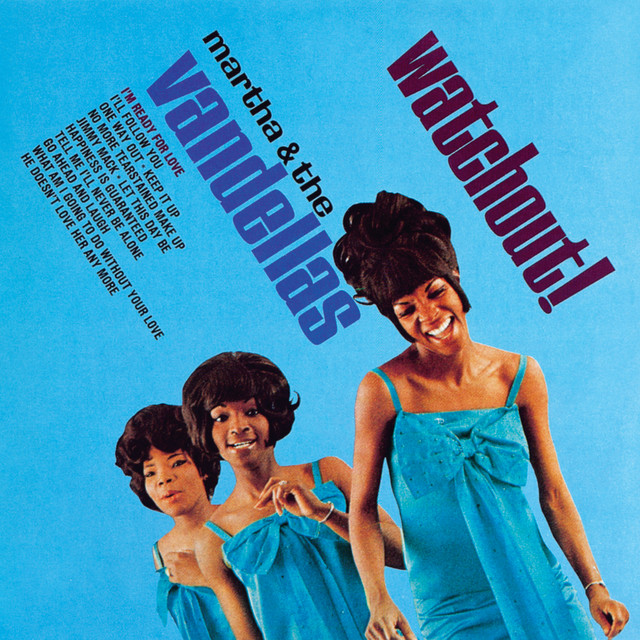
The Yearning of 'Jimmy Mack'
Released in 1967, "Jimmy Mack" by Martha Reeves and The Vandellas is not just another Motown hit; it’s a vivid snapshot of romantic longing in a decade of seismic social shifts. The song, penned by the legendary Holland-Dozier-Holland, captures a woman's desperate plea for her estranged lover, Jimmy. The upbeat tempo and soulful harmonies belie the heartache woven into its lyrics, making it a quintessential example of Motown’s ability to blend joy and sorrow.
Love and Independence
The 1960s marked a period of significant change in gender roles and relationships. As women began to assert their independence, the traditional dynamics of love were being reconsidered. In "Jimmy Mack," the protagonist's yearning for Jimmy underscores a tension between desire and autonomy. She is not merely waiting; she is actively expressing her needs and frustrations.
"Jimmy Mack, when are you coming back?"
This line encapsulates her vulnerability but also her agency—she is vocalizing her longing, calling for him to return, rather than passively accepting his absence.
Contextual Backdrop
At the height of the civil rights movement, songs like "Jimmy Mack" reflected the emotional landscape of a generation grappling with change. While the Motown sound provided a backdrop for joyful dance parties, the lyrics often hinted at deeper issues. The duality of the song—its lively beat paired with heartfelt longing—mirrors the conflicting experiences of love and liberation that many women faced during this era.
The Feminine Perspective
Unlike many pop songs of the time that portrayed women as passive recipients of affection, "Jimmy Mack" presents a strong female perspective. The lead singer, Martha Reeves, delivers the lyrics with a mix of hope and despair, bringing the character's emotional depth to life. This representation was groundbreaking, inviting listeners to empathize with a woman’s experience rather than simply viewing her through the lens of male desire.
"I miss you, I miss you, I miss you, I miss you, Jimmy!"
Her repetition of the phrase emphasizes the depth of her longing while also reflecting a sense of urgency. This emotional intensity is a testament to the changing expectations of women in relationships, illustrating their need for emotional fulfillment.
Impact and Legacy
"Jimmy Mack" became one of Martha Reeves and The Vandellas' signature songs, reaching No. 10 on the Billboard Hot 100. It remains a staple of the Motown catalog, celebrated not just for its catchy melody but for its unabashed exploration of female desire. In a decade where traditional narratives around love were being rewritten, the song stands out as an anthem of longing that resonates across generations.
Did you know? "Jimmy Mack" was one of the last hits produced by the renowned Holland-Dozier-Holland team before their departure from Motown?
The enduring appeal of "Jimmy Mack" lies in its ability to convey complex emotions in a simple pop format. It reflects a moment in time when women were beginning to voice their desires more openly, setting the stage for future generations to continue that conversation. The song’s infectious rhythm may make you want to dance, but its lyrics remind us that the heart can be heavy even when the beat is light.