The Transformation of a Classic
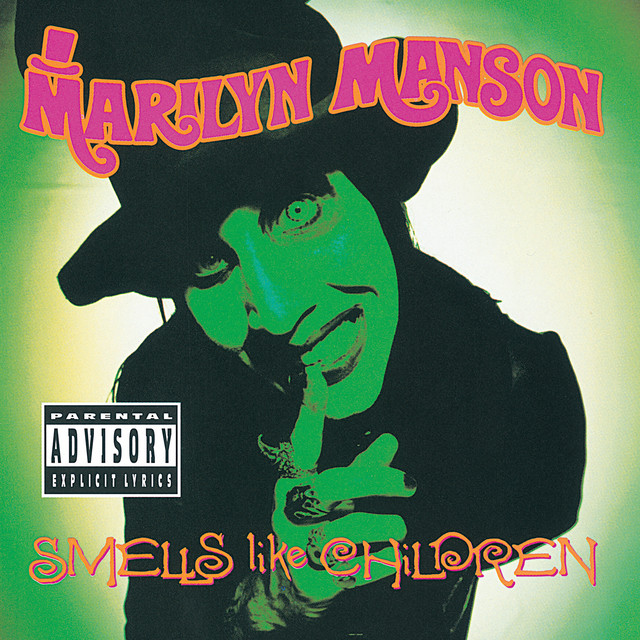
Originally released by Eurythmics in 1983, "Sweet Dreams (Are Made of This)" was a synth-pop hit that captured the aspirations and desires of the 80s. With its infectious hook and rich production, it was a celebration of ambition and the pursuit of dreams. However, when Marilyn Manson covered the track in 1995 for his album "Smells Like Children," it took on an entirely new life, morphing into an anthem for the disenfranchised.
Context of the 90s
The mid-90s were a tumultuous time in America, marked by a growing sense of isolation among youth. Grunge had dismantled the glam rock era, revealing the cracks in the American Dream. Manson's version of "Sweet Dreams" tapped into the underlying angst and disillusionment of a generation that felt alienated and marginalized.
"Some of them want to use you, some of them want to get used by you."
These lyrics resonated with a culture that was becoming increasingly skeptical of societal norms. Manson's dark and gritty interpretation emphasized a sense of betrayal and exploitation, aligning perfectly with the frustrations of those who felt overlooked.
Musical Reinterpretation
Manson's rendition also amplified the original's sinister undertones. The heavy industrial rock elements transformed the upbeat synth-pop track into a brooding anthem, with Manson's haunting vocals layering a sense of menace over the catchy chorus. Produced by Manson himself alongside his collaborator, the result was a chilling reimagining that spoke to the darker sides of desire and ambition.
Visual Impact
The accompanying music video further propelled Manson's vision. With its surreal imagery and provocative aesthetics, it became a defining visual statement of the 90s. The juxtaposition of beauty and horror highlighted the grotesque reality behind the glamorous facade, echoing the sentiments of disenfranchisement that many were grappling with.
The music video for Manson's 'Sweet Dreams' was banned from several networks due to its graphic content, only enhancing its status as a rebellion against mainstream culture.
A Voice for the Marginalized
In a world that often silenced the voices of the outcasts, Manson’s cover became a rallying cry. Lyrics like
encapsulated a universal search for identity and belonging. It spoke to those who felt lost, misfit, and rejected — a stark contrast to the polished image of the American Dream that Eurythmics had portrayed."Everybody's looking for something"
Legacy and Impact
Manson’s "Sweet Dreams" solidified his place as a figure of rebellion and authenticity in a decade marked by conformity. The song became a staple at concerts and an emblem for those who found solace in its dark message. It wasn't just a cover; it was an act of defiance, showcasing how a reimagined track could articulate the struggles of a generation.
As we look back, it’s evident that Manson’s version of "Sweet Dreams" transcended the original, transforming a simple pop hit into a complex commentary on the societal issues of the time. The haunting melody, paired with Manson’s theatricality, created an anthem that not only resonated but also defined the experience of the disenfranchised in the 90s.