From Greenwich Village to the Desert
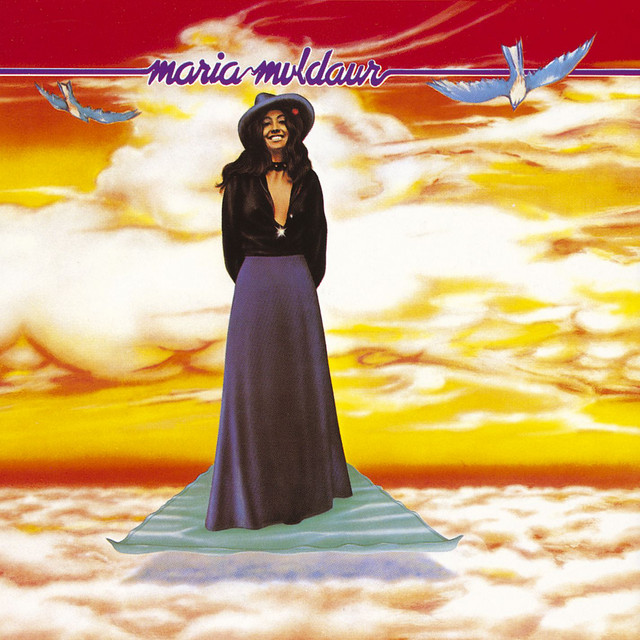
Maria Muldaur’s "Midnight at the Oasis" is more than just a catchy tune that peaked at number 6 on the Billboard Hot 100 in 1974; it’s a snapshot of a time when the bohemian lifestyle was flourishing across America. Released on her self-titled debut album in 1973, the song was penned by David Nichtern, whose lyrics weave a narrative filled with imagery that evokes both romantic escapism and the laid-back vibe of the early '70s.
A New Era of Folk and Jazz
The song’s lush instrumentation fuses elements of folk, jazz, and blues, reflecting the eclectic nature of the music scene during that period. Muldaur, who had roots in the vibrant Greenwich Village folk scene, brought a sensibility to the song that resonated with listeners seeking freedom and self-expression. The track’s sultry invitation to find intimacy in the desert is not just a clever metaphor; it’s a call to embrace the whimsicality of life itself.
"And you’re going to be a little bit late, but that’s alright with me."
This line captures the essence of the carefree attitude that defined the bohemian lifestyle. In an era marked by counterculture movements, the notion of time became fluid, allowing artists like Muldaur to explore themes of love and connection without the constraints of societal expectations.
David Nichtern's Inspiration
David Nichtern, the songwriter behind "Midnight at the Oasis," was himself a product of this vibrant scene. He was steeped in the influences of the West Coast folk and rock movements, and his lyrics reflect a deep understanding of the longing and wanderlust that characterized the 1970s. The song’s imagery of an oasis serves as a metaphor for both physical and emotional refuge—something that bohemian artists sought in their daily lives.
The Allure of the Oasis
The idea of an oasis, a place of respite in a vast desert, resonates with the nomadic spirit of the '70s. This was a decade that saw many artists, including Muldaur, embracing a lifestyle free from conventional norms. The imagery in the song allowed listeners to envision a sanctuary where they could escape their daily routines and indulge in a more liberated existence.
Maria Muldaur's debut album was produced by the legendary Joe Boyd, known for his work with artists like Nick Drake and Fairport Convention. Boyd's touch added a rich, organic quality to the album.
Connection to the Counterculture
The bohemian lifestyle of the 1970s was not just about music; it was a holistic approach to life that embraced art, love, and community. Muldaur’s music, particularly in "Midnight at the Oasis," reflects the free-spirited ethos of the time. The soft, seductive melodies paired with lyrics about moonlit adventures and intimate gatherings resonate with the collective yearning for connection that defined the era.
A Lasting Impact
Today, "Midnight at the Oasis" stands as a timeless classic, echoing the desires and dreams of those who lived through a transformative period in American culture. The song’s ability to transport listeners to a place of warmth and intimacy continues to make it relevant, as the bohemian spirit lives on in countless modern artists.
Conclusion
Maria Muldaur's "Midnight at the Oasis" is a beautiful confluence of lyrical inspiration and cultural movement. It speaks to a time when music was not just entertainment but a way of life. The song's unexpected origins and connection to the bohemian lifestyle of the 1970s remind us that art often flourishes within the framework of societal change, providing solace and liberation to those who dare to dream.