Rhythmic Roots and Global Appeal
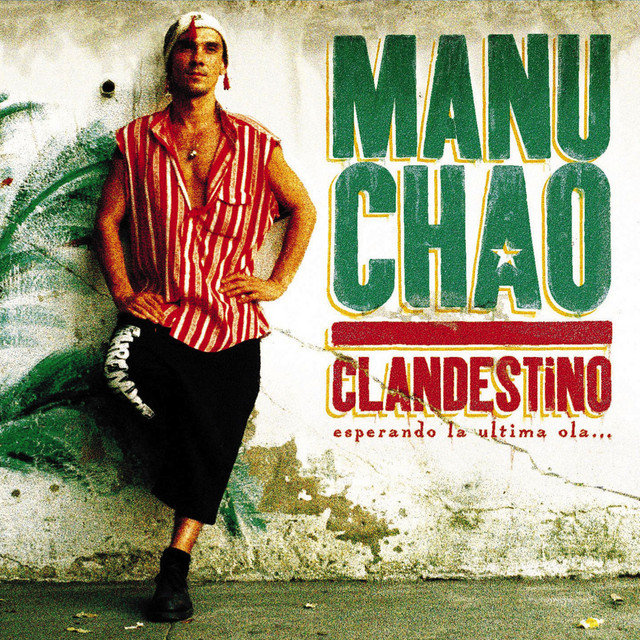
Manu Chao's "Bongo Bong," from his debut solo album Clandestino (1998), is more than just a catchy tune; it's a cultural mosaic built on the vibrant rhythms of Latin America. The song is both a nod to Chao's roots and a bridge for global audiences, embodying the essence of Latin rhythms while merging them with a diverse array of influences.
A Remake with a Pulse
This track serves as a remake of Chao's earlier work, "King of Bongo," melding his past with his present. The infectious beat and playful lyrics invite listeners into Chao's world, one where the lines between genres blur. The bongo drums, a staple of Afro-Cuban music, provide a relentless groove that pulls you in. Chao’s ability to blend these rhythms with elements of reggae and rock creates a uniquely infectious sound.
Latin Influences and Global Soundscapes
The heartbeat of "Bongo Bong" is undeniably rooted in Latin American traditions. The song's rhythmic structure is reminiscent of cumbia, a genre with deep roots in Colombia that has spread throughout Latin America. This rhythm is not merely background noise; it's the lifeblood of the song, driving its energy and inviting dance. The lines,
, highlight a sense of place and belonging that reflects the diasporic experience, a theme central to Chao's work."Bongo, bongo, bongo, I don’t wanna leave the Congo"
Melodic Simplicity, Cultural Complexity
Musically, Chao employs a simple yet effective melodic line, which allows the intricate rhythms to shine. The layering of sounds—from the bounce of the bongo drums to the echoing guitar riffs—creates a captivating sound that feels both familiar and exotic. This layering speaks to Chao's ability to connect with listeners on multiple levels, drawing them into a world where cultural narratives intertwine.
User-Friendly Yet Meaningful
It's easy to get lost in the infectious beat and forget the deeper messages within. Chao’s lyrics often reflect themes of migration, identity, and social justice, underpinned by a sense of playfulness. The line,
, serves as both a celebration and a critique, a reminder of the joy found in music even amid struggles."And the people are dancing, dancing, dancing"
Chao's Global Impact
Since its release, "Bongo Bong" has transcended borders, influencing countless artists and becoming an anthem for various movements. The song's universal appeal lies in its rhythmic foundation, allowing it to be reinterpreted across genres and cultures. Chao’s ability to weave together different musical traditions sets a precedent for artists looking to create global sounds.
Did you know? "Bongo Bong" was part of Chao's debut solo album, Clandestino, which tackles themes of immigration and identity.
Conclusion: A Living Legacy
Manu Chao's "Bongo Bong" is a testament to the power of rhythm and cultural exchange. By drawing on Latin American influences while embracing a global audience, Chao has crafted a sound that is both timeless and contemporary. The song serves as a reminder that music is a universal language, capable of bridging divides and celebrating diversity.