Roots in Mythology
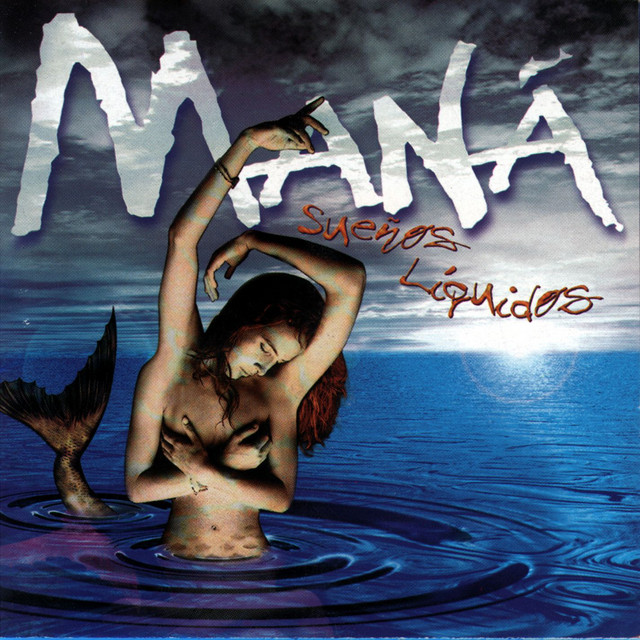
Maná’s "En El Muelle de San Blas" is more than just a love song; it is steeped in mythological symbolism that adds profound layers to its narrative. The track, part of their 1997 album Sueños Líquidos, illustrates the often tumultuous relationship between love and sacrifice. The song’s protagonist awaits a lover who never returns, echoing timeless themes found in mythological tales of longing and devotion.
The Pier as a Symbol
The pier itself serves as a powerful metaphor, reminiscent of mythological locations where characters face trials of fate. In many cultures, piers are liminal spaces, bridging the terrestrial world with the unknown. The lyrics describe the protagonist's steadfast wait, as she remains “clavada” (nailed) to the pier, a striking image that evokes the myth of Penelope waiting for Odysseus.
"Clavada en el muelle de San Blas"
This line not only anchors the song in a specific place but also ties it to the archetypal theme of unwavering loyalty. Penelope’s own trials resonate here, with the protagonist embodying her spirit of perseverance against the relentless tide of time.
Imagery and Emotion
The vivid imagery in the song heightens its emotional impact. The references to the sea, storms, and the passage of time create a backdrop that mirrors the internal struggle of the protagonist. The ocean, often a symbol of the subconscious, can represent both the depths of love and the chaos of loss. The lyrics capture this duality, portraying the vastness of her emotions while simultaneously emphasizing her isolation.
Influence of Mexican Folklore
Mexican folklore is rich with tales of love lost and spirits that linger. "En El Muelle de San Blas" subtly incorporates elements from these traditions, suggesting that the protagonist may transcend into a mythic figure herself. The song's narrative hints at the possibility of becoming a spirit of the pier, eternally waiting, much like La Llorona, whose tale warns of the dangers of unfulfilled love and longing.
Musical Composition
The song’s composition complements its mythological themes. The flowing melody mirrors the ebb and flow of the sea, while the instrumentation creates a haunting atmosphere. The use of guitars and soft percussion invites listeners into a dreamlike state, reinforcing the song’s otherworldly qualities. This interplay between lyrics and sound allows for a deeper exploration of grief and eternal hope.
Cultural Resonance
Released during a time when Latin rock was gaining momentum, "En El Muelle de San Blas" became a defining track for Maná, showcasing their ability to blend personal narrative with broader cultural themes. The song’s popularity speaks to its relatability—people everywhere understand the pain of waiting and the complexity of love.
Did you know "En El Muelle de San Blas" was recorded in Puerto Vallarta, the very location that inspired its poignant imagery?
Conclusion: A Modern Myth
Ultimately, "En El Muelle de San Blas" stands as a modern myth, capturing the essence of love's trials through its rich narrative and emotional depth. The song not only tells the story of one woman's unwavering love but also connects to a broader tapestry of mythological themes that continue to resonate in our collective consciousness. Maná has crafted a piece that invites listeners to reflect on their own experiences of love, loss, and the waiting that often accompanies it.