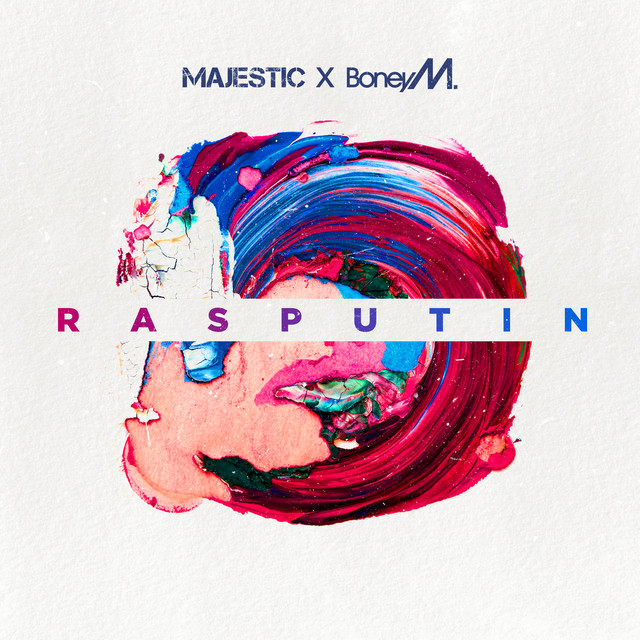
The Enduring Allure of Rasputin
Majestic's recent reimagining of Boney M.'s 1978 classic "Rasputin" breathes new life into the tale of one of history's most enigmatic figures. The original song, a potent blend of pop and Eurodisco, painted Grigori Rasputin not just as a mystic but as a symbol of the seductive power that comes with influence. With Majestic's version, the allure is amplified, making it relevant to today's audiences.
Power Dynamics in the Lyrics
The song's narrative revolves around Rasputin's relationship with the Russian royal family, particularly his supposed hold over Empress Alexandra. The lyric,
, captures a psychology of power where Rasputin emerges as a puppet master, manipulating those in authority for his own ends. The seductive undertones are palpable; he is not merely a figure of reverence but also of desire, weaving a complex web of charm and control."He ruled the Russian land and never mind the Tsar"
Majestic's Modern Twist
In Majestic's remix, the beat is sharper, the tempo is faster, and the production is polished to a shine that reflects modern dance floors. This evolution serves to underscore the song's themes of seduction and power. The infectious hook draws listeners in, mirroring how Rasputin himself captivated the elite of his time. It's a reminder that the dance of power is often as intoxicating as it is dangerous.
Rasputin as a Symbol
Rasputin's life story is a tapestry of mystique and controversy, making him a compelling figure for artists. The original Boney M. track became a pop sensation, but Majestic's version places a contemporary lens on this historical narrative, making it digestible for a new generation. The lyrics serve as both a cautionary tale and an invitation to explore the darker sides of charisma and influence.
Historical Context and Relevance
The original track was part of Boney M.'s album "Nightflight to Venus," which was produced during a time when disco was at its peak. The revival of interest in Rasputin in popular culture—from documentaries to dramatizations—speaks to our fascination with figures who straddle the line between the sacred and the profane. Majestic taps into this zeitgeist, rekindling the flames of intrigue surrounding Rasputin.
Did you know? Boney M.'s "Rasputin" was released in 1978 and became a massive hit across Europe, often played at parties and dance clubs.
The Psychological Appeal
The psychology behind the song's portrayal of Rasputin lies in the dichotomy of fear and attraction. People are drawn to those who wield power, and Rasputin embodies that allure. The line
highlights not just a romantic entanglement but a profound connection that transcends mere attraction. It speaks to a deeper psychological phenomenon where power itself can be an aphrodisiac."Lover of the Russian queen"
Conclusion: An Invitation to Dance
Majestic's "Rasputin" serves as an invitation to engage with the complexities of human desire, power, and seduction. The song reminds us that history is replete with figures who have wielded influence in ways both captivating and cautionary. As we dance to this infectious remix, we find ourselves not just moving to the beat but also reflecting on the seductive dance of power.