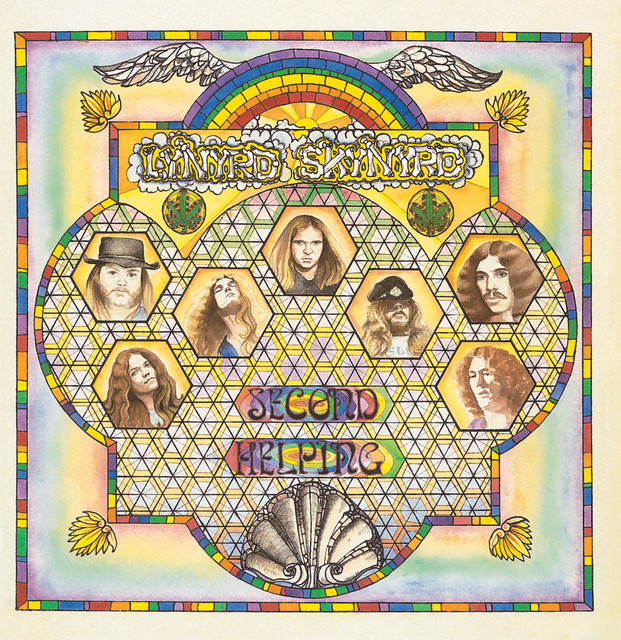
The Origin of a Controversial Anthem
When Lynyrd Skynyrd released "Sweet Home Alabama" in 1974, few could have predicted that it would evolve into an anthem of protest. Originally, the song was a response to Neil Young's "Southern Man" and "Alabama," which critiqued the South's history of racism and slavery. In essence, Skynyrd was defending their home turf, but as history unfolded, the song took on a life of its own.
A Response to Outside Criticism
The opening lines—"Big wheels keep on turning / Carry me home to see my kin"—immediately evoke a sense of belonging. Yet, beneath the surface, the song's cheeky defiance is palpable. Skynyrd wasn't just addressing Young; they were pushing back against a broader narrative that painted the South with a broad brush. Their insistence that "Well, I heard Mr. Young sing about her" is both a nod to their musical peer and a rejection of the criticisms aimed at their culture.
Contextual Shifts Over Time
Fast forward to the 21st century, and "Sweet Home Alabama" is often invoked in discussions about Southern identity, racism, and social justice. It has been used in protests, particularly by those who see it as a rallying cry against perceived elitism and an assertion of Southern pride. The lyrics now serve dual purposes: as both a celebration of Southern roots and an unexpected symbol of resistance against external condemnation.
"In Birmingham they love the governor / Boo, boo, boo!"
This line, initially intended to mock Governor George Wallace, who was a staunch segregationist, has morphed in interpretation over the decades. It reflects a complex relationship with Southern politics, where the celebration of local pride can veer into troubling territory.
Modern Interpretations
In a time when social movements are high-profile and contentious, the song's resurgence in protests highlights its complicated legacy. Activists have recontextualized "Sweet Home Alabama" to critique systemic racism while also reclaiming a narrative that has often been used against them. The irony is that a song written as a defense of Southern culture has become a platform for discussing its darker undercurrents.
The Sound of Defiance
Musically, the track remains a staple of Southern rock, defined by its catchy guitar licks and anthemic chorus. Produced by Al Kooper, "Sweet Home Alabama" captured the essence of a region grappling with its identity. The infectious nature of its melody belies the complexity of its lyrics, allowing it to transcend its original intent.
Conclusion: A Song for All Seasons
"Sweet Home Alabama" is an example of how music can evolve and adapt, often taking on meanings that its creators never intended. Today, it stands as both a celebration of Southern pride and a call for introspection about the region's history. As listeners grapple with its duality, the song serves as a reminder of the power of art to provoke thought, inspire action, and ignite debate.
Interestingly, Lynyrd Skynyrd never intended for "Sweet Home Alabama" to be a protest song. Its unexpected evolution highlights the unpredictable nature of cultural narratives.