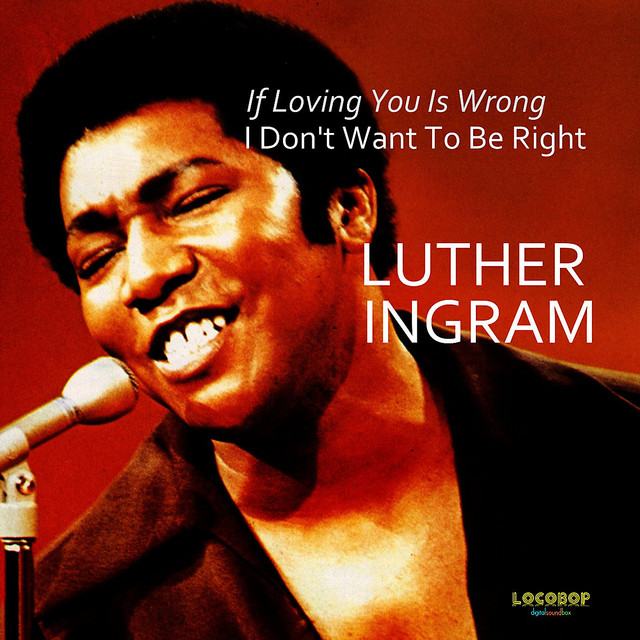
The Weight of Desire
Released in 1972, Luther Ingram's '(If Loving You Is Wrong) I Don't Want to Be Right' stands as a landmark in soul music, not just for its catchy melody but for its raw emotional complexity. Written by Homer Banks, Carl Hampton, and Raymond Jackson, the track reached No. 1 on the Billboard R&B chart, tapping into the struggles of love that defies societal norms.
Luther's Life Reflected in Lyrics
Ingram's personal life is a significant backdrop to the song's emotional heft. Growing up in a challenging environment in the segregated South, Ingram faced numerous hardships that would later inform his music. The heart-wrenching confession in the song—
—serves as a powerful acknowledgment of love that defies conventional morality, a sentiment that likely echoed Ingram’s own tumultuous relationships."If loving you is wrong, I don't want to be right"
Love and Moral Conflict
The song's narrative presents a love that exists outside societal expectations, mirroring Ingram's own experiences with love and heartbreak. The emotional conflict expressed in lines like
reveals a depth of vulnerability. It’s a proclamation that many can relate to, as it speaks to the universal struggle between desire and duty."And I can't stop loving you, no matter what I do"
Behind the Stax Sound
Produced under the iconic Stax Records label, the song is layered with lush instrumentation and Ingram's powerful vocal delivery. This sonic backdrop complements the emotional weight of the lyrics, creating an atmosphere that feels both intimate and expansive. The blend of gospel influences with soulful melodies provides the perfect stage for Ingram's heart-wrenching delivery.
Did you know? Ingram originally recorded the song during a time when he was grappling with his own relationships, adding authenticity to the lyrics.
The Legacy of a Heartfelt Anthem
Ingram’s ability to convey such deep-seated feelings has cemented '(If Loving You Is Wrong) I Don't Want to Be Right' as a timeless classic. The song's exploration of love's complexities continues to resonate with listeners today, proving that the struggle between love and societal acceptance is as relevant now as it was in the early '70s.
Conclusion: A Personal Reflection
Luther Ingram's personal experiences shaped the emotional landscape of his music, particularly in this seminal track. The heartfelt lyrics and powerful delivery create a connection that goes beyond the surface, inviting listeners to reflect on their own lives. Ingram reminds us that love can be messy, complicated, and ultimately, worth it.