The Illusion of Stardom
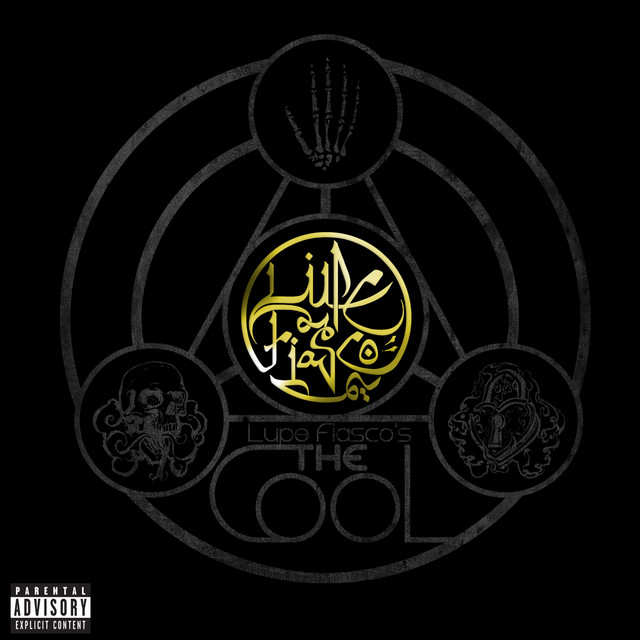
When Lupe Fiasco released "Superstar" in 2007, featuring Matthew Santos, he crafted more than just a catchy hook; he delivered a biting commentary on the nature of fame. The track, which became his first top 10 single, offers a sharp critique of celebrity culture, exposing its superficial allure and the hollow realities that often accompany it.
With a backdrop of lush production, the song's infectious chorus lulls listeners into a sense of euphoria, but beneath that surface lies a critical examination of what it means to be a superstar. The lyric,
highlights the societal pressures that define success in the public eye. Here, Fiasco dissects the identity crisis faced by many in the spotlight, where their worth is measured by external validation."You are what you say, you are what you do, you are what you have, you are what you choose"
The Price of Fame
Fiasco doesn't just celebrate the glitz and glamour; he also warns of the sacrifices that often come with it. The line,
speaks volumes about the isolation that can accompany fame. The pursuit of celebrity status is depicted as a lonely path, reinforcing the notion that while the world may adore you, true connection often fades into the background."You can be a superstar, but you can't be a superstar alone"
Furthermore, Fiasco's collaboration with Santos adds a layer of soulful introspection. Santos' smooth vocals contrast with Fiasco's rapid-fire delivery, creating a dynamic tension that mirrors the conflict between the desire for fame and the quest for authenticity. This juxtaposition enriches the message, making it not just a critique, but a call to reevaluate what it means to be a star.
Reflection on Reality
As the song progresses, Fiasco's verses become increasingly self-reflective. He questions the very nature of success, noting how easily one can fall from grace. The line,
suggests a cyclical nature of fame that traps many in a relentless pursuit of approval. This sentiment resonates even more in today's climate, where social media amplifies the quest for notoriety, often at the cost of genuine self-expression."And every time I get the chance, I see the same old plan"
Fiasco's critique extends to the industry itself, pointing out how it commodifies artists, reducing them to mere products for consumption. The reality is stark: behind the polished images and viral moments, many face an internal struggle that remains unseen. This unmasking of the celebrity facade is a powerful reminder that the allure of fame is often just that—an illusion.
The Enduring Relevance
Fast forward to 2022, and "Superstar" has maintained its relevance, earning platinum status and proving that Fiasco's message resonates across generations. In an era where influencers dominate the landscape, his words echo louder than ever. The song serves as a timeless reminder of the complexities of fame, urging listeners to question the narratives that society constructs around celebrity culture.
Ultimately, "Superstar" stands as a testament to Lupe Fiasco's artistry, blending clever lyricism with poignant social commentary. It challenges us to look beyond the glimmering facade of fame and consider the human experiences that lie beneath—a critique that feels as fresh today as it did upon its release.
Did you know? "Superstar" was certified platinum by the RIAA in October 2022, reflecting its lasting impact and popularity since its release.