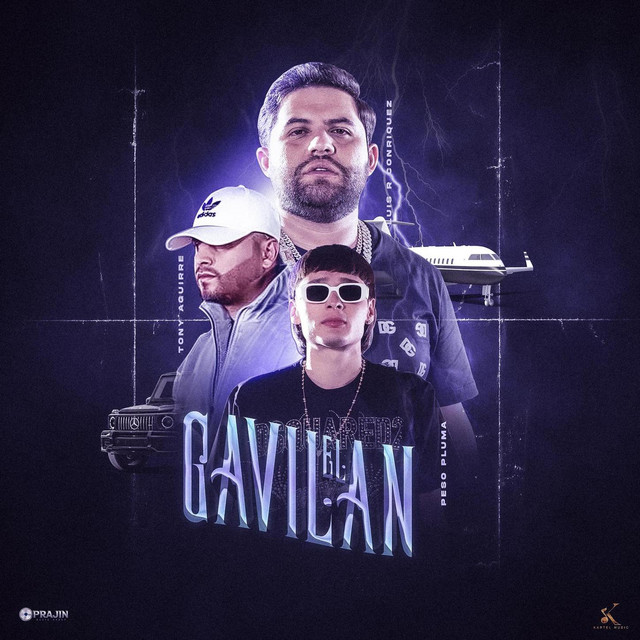
The Cultural Canvas of El Gavilán
In the contemporary landscape of regional Mexican music, Luis R. Conriquez stands out for his ability to meld personal narratives with broader cultural themes. His latest single, "El Gavilán," is a striking example of this synergy, intricately weaving the folklore surrounding the Mexican drug trade into a compelling auditory experience.
Folklore Meets Reality
"El Gavilán," which translates to "The Hawk," serves as a metaphor for vigilance and predation, echoing the dangerous game of cat and mouse that characterizes the drug trade. The hawk, a symbol of keen observation and stealth, reflects the mindset of those entrenched in this perilous world. When Conriquez sings about the hawk's watchful gaze, he invites listeners to consider the duality of power and vulnerability inherent in this lifestyle.
"En las sombras siempre está, el gavilán que va a cazar."
This line encapsulates the ever-present danger that looms over those involved in narcotics. The imagery of the hawk lurking in the shadows ties back to traditional Mexican folklore, where such creatures are often portrayed as both protectors and harbingers of doom.
The Complexity of Characters
Conriquez doesn’t just paint the drug trade in broad strokes; he humanizes the figures within it. The characters in "El Gavilán" are not mere stereotypes of narcos or victims; they embody a complex reality shaped by socio-economic factors. Conriquez’s lyrics delve into their motivations, fears, and aspirations, revealing a world where choices are often dictated by circumstance rather than morality.
Luis R. Conriquez was born on February 28, 1996, and has quickly risen in popularity, especially with his collaborations like "El Belicón" with Raúl Vega.
Imagery Rooted in Tradition
The song draws from a rich tapestry of Mexican folklore, where animals often symbolize deeper truths. The hawk, revered in various indigenous cultures, represents not only power but also the burden of responsibility. Through his lyrics, Conriquez channels this traditional wisdom, offering listeners a glimpse into the folklore that informs contemporary issues.
"Cazador y cazado, en la vida así es, no hay un lado."
These words underscore the cyclical nature of predator and prey within the drug trade, suggesting that the line between hunter and hunted is often blurred. This reflects a harsh reality where survival instincts override ethical considerations, a theme prevalent in both folklore and modern narratives.
Musical Composition and Atmosphere
Musically, "El Gavilán" is anchored in the regional Mexican genre, featuring traditional instruments that evoke a sense of nostalgia. The production, while contemporary, retains elements that honor the past, allowing the song to feel both fresh and rooted in heritage. The blend of modern and traditional not only enhances the storytelling but also elevates the cultural significance of the piece.
A Reflection of Society
Conriquez's ability to address pressing social issues through the lens of folklore is commendable. "El Gavilán" does not romanticize the drug trade; instead, it shines a light on the complexities and moral ambiguities that define it. The song serves as a reminder that behind every statistic lies a story, a narrative often lost in sensational headlines.
"El destino es incierto, pero el gavilán no miente."
This line poignantly reflects the unpredictable nature of life in this world, where fate is as much a player as the individuals involved. Conriquez’s work encourages listeners to confront these realities rather than turn away.
Conclusion: More Than a Song
Ultimately, "El Gavilán" is more than just a track; it’s a cultural commentary embedded in folklore. Luis R. Conriquez has crafted a narrative that resonates with the complexities of the Mexican drug trade, framed through the powerful imagery of the hawk. As he continues to carve his niche within regional Mexican music, his exploration of these themes promises to provoke thought and spark conversation.