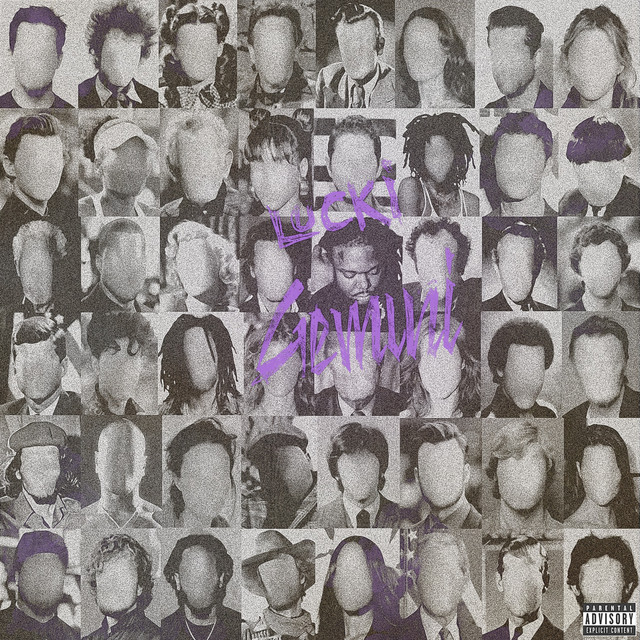
Struggles in the Shadows
LUCKI's latest release, RIP, is a raw reflection of the realities he faced growing up in Chicago. The 20-track project, released on June 14, 2024, under Empire, features a plethora of artists including Lil Yachty and Future, yet it’s LUCKI’s personal narrative that stands out. The album captures the essence of his environment: a backdrop riddled with violence, addiction, and loss.
A Mirror to His Life
In RIP, LUCKI doesn’t shy away from discussing his past. The track “RIP” serves as an emotional anchor, showcasing his struggles with mental health and the weight of his experiences. Lines like
highlight his feelings of isolation, a sentiment that is deeply rooted in his upbringing."I’m just a ghost in the city, lost in the haze"
Family and Environment
Growing up, LUCKI was surrounded by the realities of systemic issues that plague neighborhoods in Chicago. His music often reflects the chaos of his environment, and RIP is no exception. The song “Legacy” dives into his relationship with family, illustrating the cycle of pain and struggle that can define one's youth.
"I can’t escape the shadows of my kin"
This line is particularly telling, as it encapsulates the burden of family history that he carries with him. LUCKI’s lyrics serve as a commentary on how one’s upbringing can inform their identity and choices.
Community and Connection
LUCKI also emphasizes the importance of community in his work. Collaborations with artists like Rylo Rodriguez and Veeze highlight a shared experience among those navigating similar struggles. The track “Survive” features a haunting beat that underscores the desperation and resilience found in his lyrics.
The Voice of a Generation
With RIP, LUCKI positions himself as a voice for those grappling with similar issues. His honesty about mental health is refreshing in a genre that often glamorizes excess. Instead, he lays bare the consequences of a lifestyle that many aspire to but few understand.
"These scars tell stories, can’t erase my past"
This line resonates powerfully, emphasizing that while he cannot change his history, he can narrate it through his music. LUCKI’s ability to articulate his pain makes his work relatable, drawing in listeners who have faced their own battles.
Conclusion: The Impact of Upbringing on Art
The themes in RIP are a direct reflection of LUCKI's upbringing and environment. His upbringing fuels his artistry, making it more than just entertainment; it becomes a means of survival and expression. As he navigates his path through the complexities of fame and personal demons, LUCKI remains grounded in his reality, offering a genuine glimpse into the life that shaped him.
LUCKI's collaborations in RIP showcase a blend of talents, linking his narrative to a broader community of artists who share similar backgrounds.