The Legacy of Mexican Storytelling
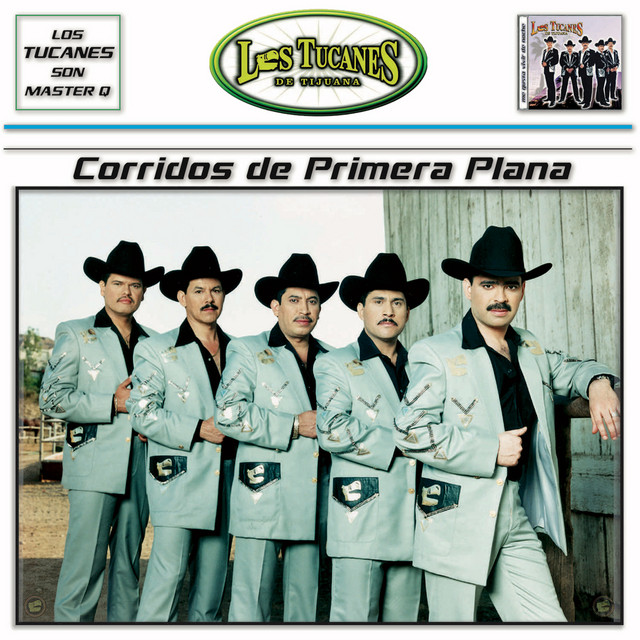
Los Tucanes De Tijuana's "Mis Tres Viejas" is a vivid illustration of how traditional Mexican storytelling intertwines with contemporary music. Released in 1997 on the album of the same name, the song is emblematic of the norteño genre, characterized by its use of accordion and bajo sexto, but it’s the narrative depth that truly sets it apart.
At its core, the song weaves a tale of three women, each representing different facets of life and love. This storytelling technique is deeply rooted in Mexican culture, where oral traditions have long served to convey moral lessons, histories, and social commentary. The song's narrative structure invites listeners into a world where personal experiences reflect broader societal themes.
Characterization and Cultural Context
The three women in the song are not just characters; they symbolize various archetypes prevalent in Mexican folklore. The matriarch, the seductress, and the devoted partner each showcase the complexities of womanhood, drawing parallels to figures found in classic literature and folklore. This reflects a cultural reverence for women's roles in shaping familial and societal dynamics.
"Una es la que siempre me espera, otra es la que nunca me quiere"
These lyrics highlight the emotional turmoil and multifaceted relationships that the protagonist navigates. This duality resonates with the Mexican experience, where love and betrayal often coexist in intricate narratives.
The Role of Music in Storytelling
The arrangement of "Mis Tres Viejas" enhances its storytelling aspect. The upbeat tempo juxtaposed with poignant lyrics creates a sense of urgency, mirroring the emotional stakes of the narrative. The infectious rhythms compel listeners not just to dance but to engage with the story being told.
What makes the song particularly striking is its ability to blend celebration with introspection. Traditional Mexican music often functions as a communal experience, where stories are shared and passed down. Los Tucanes De Tijuana successfully harness this communal spirit, inviting listeners to reflect on their own experiences while enjoying the infectious beats.
Did you know? Los Tucanes De Tijuana were pioneers in the norteño genre, helping to popularize it beyond regional borders in the 1990s.
Modern Resonances
In an era dominated by digital music and fleeting trends, "Mis Tres Viejas" stands as a testament to the enduring power of storytelling. The song encapsulates how traditional narratives can be revitalized through modern music, keeping cultural legacies alive. It invites listeners to connect with their roots while navigating contemporary life.
As audiences engage with the themes of love, loss, and loyalty, they find common ground across generations. The storytelling in "Mis Tres Viejas" reinforces a shared cultural identity, making it a relevant piece not just in the context of Mexican music but in the broader landscape of global storytelling.
A Call to Remember
Ultimately, "Mis Tres Viejas" is more than just a song; it’s a cultural artifact that encapsulates the essence of traditional Mexican storytelling. By weaving personal narratives into a larger cultural framework, Los Tucanes De Tijuana remind us of the importance of our stories and the connections that bind us.
"Las tres viejas son parte de mi vida, no las puedo olvidar"
This sentiment reflects a universal truth: our stories shape who we are, and in the case of "Mis Tres Viejas," they remind us of the rich tapestry of experiences that define our cultural heritage.