The Sound of a Generation
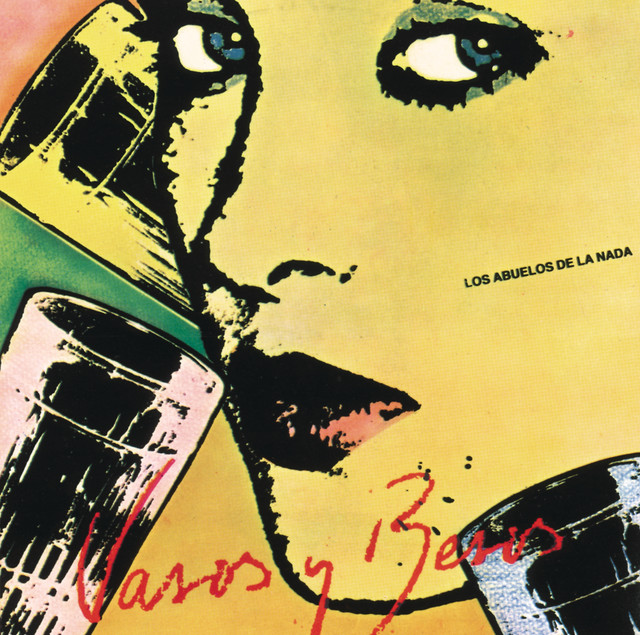
Released in 1986 on the album Vasos y besos, "Mil Horas" by Los Abuelos de la Nada stands as a seminal piece of Argentine rock, embodying the spirit of a youthful generation emerging from the shadows of political turmoil. The song mixes pop and rock with a distinct local flavor, and it quickly became an anthem for those navigating the complex realities of life in Argentina during the tumultuous 1980s.
Post-Dictatorship Optimism
The 1980s in Argentina were marked by a cultural renaissance following the end of the military dictatorship. Youth were eager to reclaim their identity and express themselves freely, a sentiment that "Mil Horas" captures beautifully. With its catchy melodies and relatable lyrics, the song became a soundtrack for a generation striving to find hope amidst societal upheaval.
A Love Letter to Youth
At its core, the song is a love letter, not just to a romantic partner but to the very essence of youth itself. The line
reflects the confusion and excitement of young love, a feeling that many can relate to regardless of time or place. This lyric encapsulates the sense of urgency and yearning that defined the youth culture of the era."No sé por qué, no sé por qué, no sé por qué, no sé por qué"
Musical Influences
Musically, the band combined rock with elements of Argentine folk, infusing their sound with a local flavor that was both accessible and distinctly their own. Produced by Tito Losavio, the album showcases a blend of influences that mirror the eclectic tastes of the youth, from British rock to local cumbia. The result is a sound that feels both fresh and deeply rooted in Argentine tradition.
Lyrics That Speak Volumes
"Mil Horas" also shines in its lyricism, with lines that evoke vivid imagery of nightlife and youthful escapades. The chorus is an invitation to lose oneself in love and time, a universal theme that transcends borders. The repetition of the phrase
serves as a metaphor for the boundless nature of youth; it suggests that time is irrelevant when one is consumed by passion."mil horas"
The Cultural Impact
Los Abuelos de la Nada were pivotal in shaping the cultural landscape of Argentine rock during the 80s. Their music provided a voice for the youth, capturing the essence of their struggles and aspirations. "Mil Horas" resonated not just as a song but as a cultural phenomenon, influencing countless artists who followed in their footsteps. The song's enduring popularity speaks to its ability to connect with new generations, proving that its themes are timeless.
Legacy of Resilience
As Argentina faced economic challenges and social unrest during the decade, the lyrics of "Mil Horas" offered an escape, a moment to revel in love and freedom. The song's infectious energy and relatable themes provided a much-needed respite from the harsh realities of life. It became a rallying cry for young people, a way to assert their identity and resilience in the face of adversity.
Los Abuelos de la Nada formed in 1967 and were key figures in the Argentine rock scene, influencing genres and paving the way for future bands.
A Timeless Anthem
In the years since its release, "Mil Horas" has maintained its status as a classic, a staple in Argentine rock playlists. Its ability to capture the essence of a vibrant youth culture continues to resonate with listeners, proving that music can indeed be a powerful reflection of society. As young people today navigate their own challenges, the message of Los Abuelos de la Nada remains relevant, echoing the sentiment that love and youth are worth celebrating, regardless of the circumstances.