Breaking the Silence
When Loretta Lynn released "The Pill" in 1975, she didn’t just deliver a catchy tune; she sparked a cultural conversation that reached far beyond the airwaves. For a genre often steeped in conservative values, Lynn's bold exploration of female empowerment and sexual freedom was revolutionary. The song became one of her most significant hits, not only for its catchy melody but also for the controversial subject matter it tackled.
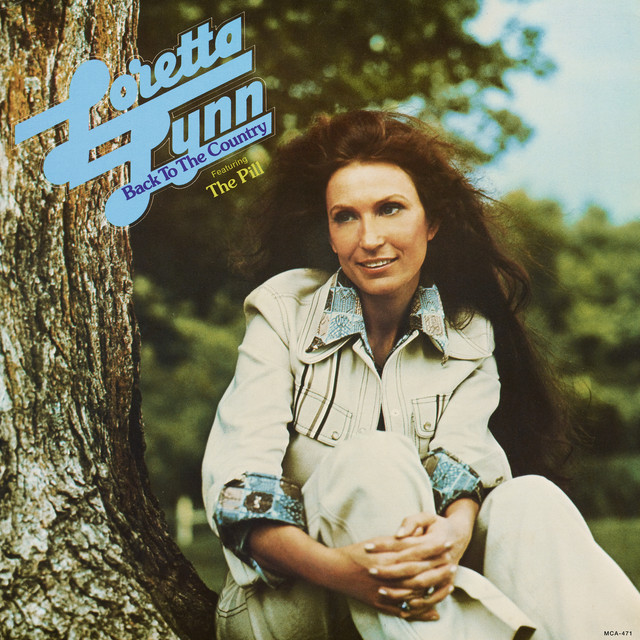
Produced by the legendary Owen Bradley, the track appeared on the album Back to the Country, a record that showcased Lynn’s knack for storytelling. With lyrics that candidly discuss birth control and a woman’s right to choose, "The Pill" stood in stark contrast to the traditional narratives that dominated country music at the time. The song's chorus, which celebrates the liberation that comes with access to contraception, was a declaration of independence for women who had long been confined to societal expectations.
"All you gotta do is just take a pill, and you can do what you want to do."
Women’s Narratives Transform
Prior to Lynn's release, country music often relegated women to roles of subservience, telling stories that revolved around heartbreak, loss, and domesticity. While those themes are still prominent, Lynn's approach shone a light on women's agency. In "The Pill," she flips the script, asserting that women could take control of their own bodies and lives.
The impact was profound. Lynn's unapologetic exploration of female sexuality challenged the status quo. In a genre where women were often depicted as victims of their circumstances, she gave voice to a perspective that resonated with many. This was a turning point; suddenly, women in country music weren't just singing about love and heartbreak—they were claiming their independence.
In 1975, "The Pill" faced significant backlash, leading some radio stations to ban the song altogether.
A Cultural Shift
The song arrived at a time when conversations about women's rights were gaining momentum in America. The feminist movement was in full swing, and issues like reproductive rights and sexual freedom were at the forefront of public discourse. Lynn's song intersected with these broader cultural shifts, making it not only a musical milestone but also a cultural artifact that reflected the changing times.
By incorporating the topic of birth control into a genre that traditionally shied away from such discussions, Lynn forced country music audiences to confront uncomfortable truths. The line, "And if they don’t like it, they can take a hike," embodies this defiance. It’s an anthem for women tired of being told how to live their lives.
"You either have to be a mama or a lover, but now I can be both."
Legacy of Empowerment
The influence of "The Pill" extends beyond its immediate impact. Lynn's daring narrative paved the way for future artists to explore similarly bold themes. Female country artists like Miranda Lambert and Kacey Musgraves have since embraced their own stories of empowerment and independence, often tackling issues of sexuality and identity in their work.
Moreover, Lynn's willingness to speak about her own experiences as a woman in a male-dominated industry has become a touchstone for discussions about gender equality in country music. The song remains a powerful reminder that women can—and should—own their narratives.
A Controversial Yet Crucial Anthem
Despite its significance, "The Pill" faced significant criticism upon its release. Some radio stations refused to play it, and conservative audiences reacted with outrage. Yet, this controversy only amplified its message. Lynn’s boldness in confronting societal norms showed that country music could be a platform for change, not just a reflection of traditional values.
Today, "The Pill" is recognized as a pioneering anthem that not only challenges the norms of its time but also continues to inspire discussions around women's rights and autonomy. Loretta Lynn didn’t just change the perception of women in country music; she reshaped the entire narrative, proving that a woman’s story is one worth telling—and one that deserves to be heard.