Cinematic Roots in Sound
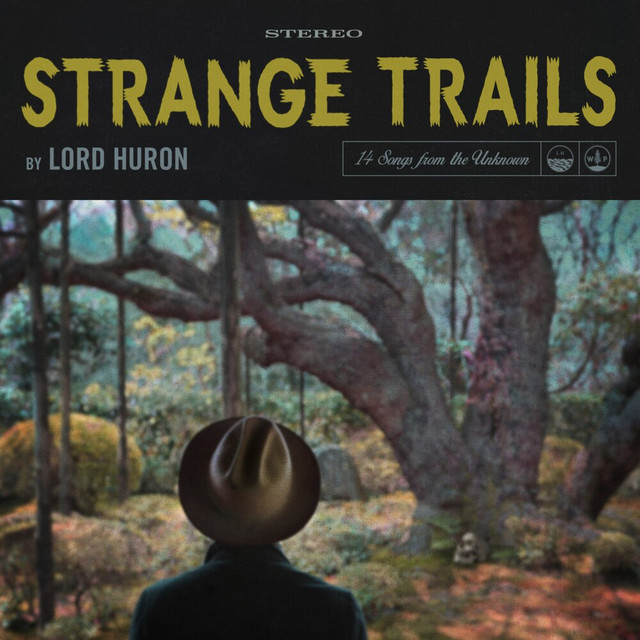
Released in 2015 as part of their second studio album, Strange Trails, Lord Huron's "The Night We Met" transcends the realm of mere music. The song paints a vivid picture of nostalgia and longing, akin to a scene from a classic film. Its ethereal melodies and haunting lyrics invite listeners to step into a story that feels both personal and universal.
A Song for the Screen
The track gained significant traction after being featured in the Netflix series 13 Reasons Why, a show already steeped in themes of memory and loss. The series' ability to weave together narrative threads mirrors the song's lyrical exploration of a pivotal moment in time. The line,
encapsulates the feeling of losing something precious, a sentiment that resonates deeply with the show's audience."I had all and then most of you, some and now none of you"
Imagery and Emotion
Lord Huron's frontman, Ben Schneider, draws on a cinematic quality that permeates the band's music. The song's production, characterized by lush instrumentation and atmospheric sounds, creates an auditory landscape that feels like the backdrop of a bittersweet love story. Influences from classic Americana and folk music blend seamlessly, evoking images of twilight drives and faded photographs.
Interestingly, Schneider has described the band's work as a means of creating a 'visual experience,' where music serves as a soundtrack to the listener's imagination.
The Nostalgia Phenomenon
Nostalgia is a powerful theme in contemporary music, and "The Night We Met" exemplifies this trend. In a world that often feels fast-paced and fleeting, the song invites a moment of reflection. The yearning expressed in the lyrics taps into a collective desire to return to simpler times, a theme that resonates strongly in the current cultural climate.
Conclusion: A Lasting Impact
Ultimately, "The Night We Met" stands as a testament to Lord Huron's ability to craft music that feels cinematic. The interplay of lyrics and melody creates a hauntingly beautiful experience that lingers long after the final note fades. As listeners, we are left to ponder our own memories, echoing the song's central question: what would we do to relive that one night?