The Gospel Influence
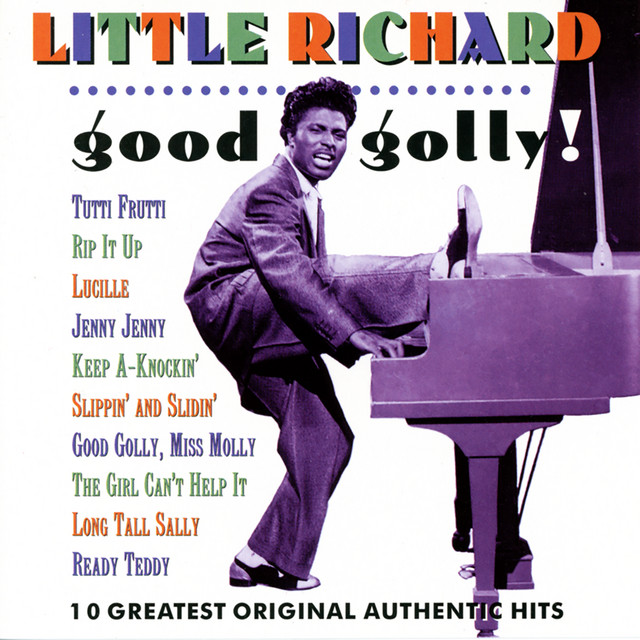
Little Richard's "Good Golly, Miss Molly" is a cornerstone of rock 'n' roll, but to fully appreciate its frenetic energy, one must acknowledge the profound gospel roots that underpin it. Released in January 1958 as a Specialty single, this track showcases Richard's ability to fuse sacred music with the burgeoning rhythms of rock, creating a sound that was both revolutionary and timeless.
Richard's upbringing in Macon, Georgia, steeped in the traditions of gospel music, is evident throughout the song. The way he delivers the lyrics reflects the passionate, exuberant style of gospel singers. His vocal patterns are punctuated with shouts and screams that echo the call-and-response technique prevalent in church music.
Rhythmic Freedom
The driving beat of "Good Golly, Miss Molly" is infectious, but it’s Richard's vocal delivery that truly electrifies the track. The song opens with a raucous piano riff that sets the stage for a high-energy performance. Here, Richard employs a rhythmic freedom that hearkens back to gospel’s spirited performances. This fusion allows him to break from traditional rock conventions, paving the way for future generations of musicians.
"Good golly, Miss Molly, sure like to ball"
These words, though playful, are delivered with the urgency and fervor of a gospel preacher. Richard's ability to infuse a simple line with such intensity speaks volumes about his roots and the emotional weight he carries into his performances.
Instrumentation and Arrangement
The piano, played by Richard himself, is the heart of the song. Its boisterous chords are reminiscent of a gospel church organ, driving the rhythm forward. Richard's band—comprised of guitar, bass, and drums—provides a tight, energetic backing that complements his wild vocal style. The arrangement is simple yet effective, allowing Richard's voice to soar above the instrumentation, much like a gospel soloist commanding the attention of a congregation.
Interesting fact: "Good Golly, Miss Molly" was Richard's fourth million-seller, solidifying his status as a rock 'n' roll pioneer.
A Template for Rock 'n' Roll
What's remarkable about "Good Golly, Miss Molly" is how it set a template for what rock music could be. The fusion of gospel energy with rock rhythms became a blueprint for countless artists. From Elvis Presley to the Rolling Stones, the influence of this track can be traced through the annals of music history.
Richard’s ability to blend sacred and secular was groundbreaking at the time. His unapologetic embrace of his gospel roots not only shaped his sound but also influenced the broader narrative of rock 'n' roll. Songs like this one encouraged artists to explore their own backgrounds, leading to a richer, more diverse musical landscape.
Conclusion: Legacy of Joy
The impact of "Good Golly, Miss Molly" extends far beyond its catchy melody and infectious beat. It is a celebration of life, love, and the exuberance that music can bring. Richard's gospel influence not only defined his career but also left an indelible mark on the genre of rock 'n' roll itself.
In the end, Little Richard's energetic sound in "Good Golly, Miss Molly" serves as a joyful reminder of the power of music to transcend boundaries and connect with the human spirit. His legacy lives on, inspiring new generations to find their own voice in the harmony of rock and gospel.