The Awakening of Vulnerability
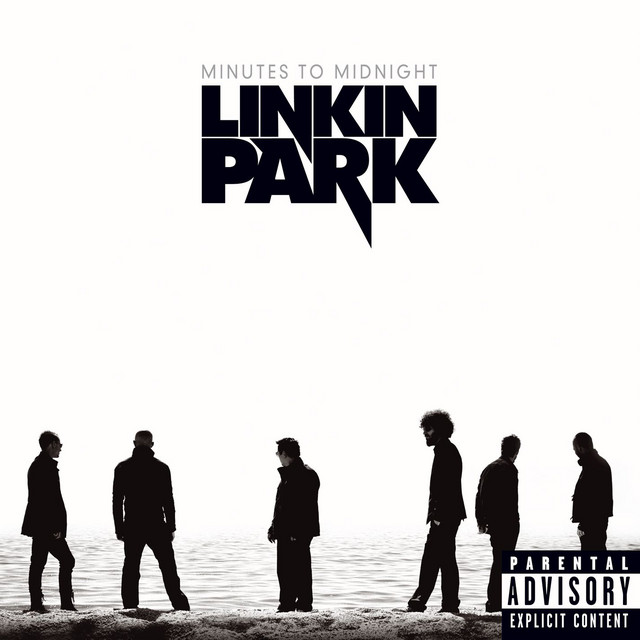
When Linkin Park released "What I've Done" in 2007 as the lead single from their third studio album, Minutes to Midnight, it marked a significant shift not just in their sound but in the broader music conversation around mental health. The song, characterized by its haunting melodies and cathartic lyrics, resonated with listeners who grappled with feelings of regret and the quest for redemption.
Produced by Rick Rubin, Minutes to Midnight was Linkin Park's first major departure from their nu-metal roots, featuring more pronounced guitar solos and a more introspective lyrical approach. This shift was not just musical; it was a deliberate attempt to explore deeper emotional landscapes, pushing the boundaries of what rock music could address.
Lyrics That Speak to the Soul
In "What I've Done," the lines reflect a struggle with past actions and the desire for forgiveness. The song’s core message of acknowledging one's mistakes and moving forward has become a pivotal point for fans.
captures the essence of personal rebirth, a theme that aligns seamlessly with the mental health conversations gaining prominence in the years following its release.“What I've done, I'll start again,”
This track became an anthem for many dealing with their inner demons. The recognition of imperfection and the willingness to confront one’s past mistakes resonated with a generation increasingly open to discussing mental health issues.
A Catalyst for Conversation
The impact of "What I've Done" extended beyond its chart performance. It served as a catalyst for fans to share their own stories of struggle and resilience. Social media platforms transformed into spaces where listeners could connect over shared experiences, often citing the song as a source of comfort during difficult times.
Linkin Park's openness about mental health issues, especially in light of frontman Chester Bennington’s own battles, helped to normalize conversations that were often stigmatized. The band’s willingness to explore themes of anxiety, depression, and self-doubt in their music created a safe space for fans to engage in discussions that were previously hushed.
Impact on the Music Community
Other artists have followed suit, inspired by Linkin Park’s raw honesty. The emotional weight of "What I've Done" encouraged musicians across genres to tackle mental health topics, furthering the dialogue within the music community. The song's legacy is evident in the way artists now feel empowered to share their vulnerabilities, creating a more supportive atmosphere for fans and creators alike.
Linkin Park's Minutes to Midnight debuted at number one on the Billboard 200 and marked a significant transition in their musical evolution.
Legacy Beyond Music
Even years after its release, "What I've Done" continues to be a touchstone in mental health advocacy within the music industry. It serves as a reminder of the power of music to heal and connect. The conversations sparked by the song have contributed to a larger movement encouraging openness about mental health struggles, helping to dismantle the stigma surrounding them.
The tragic passing of Chester Bennington in 2017 amplified these conversations, reminding fans and artists alike of the importance of mental health awareness. Linkin Park's legacy lives on not just through their music, but through the ongoing dialogues they inspired.
Conclusion: A Call to Action
As we reflect on the impact of "What I've Done," it’s clear that its influence extends far beyond the confines of a rock song. It has become an integral part of the narrative surrounding mental health in the music community, encouraging listeners to confront their struggles and seek help. The legacy of this song is a powerful reminder that we are not alone in our battles, and that healing begins with honesty.